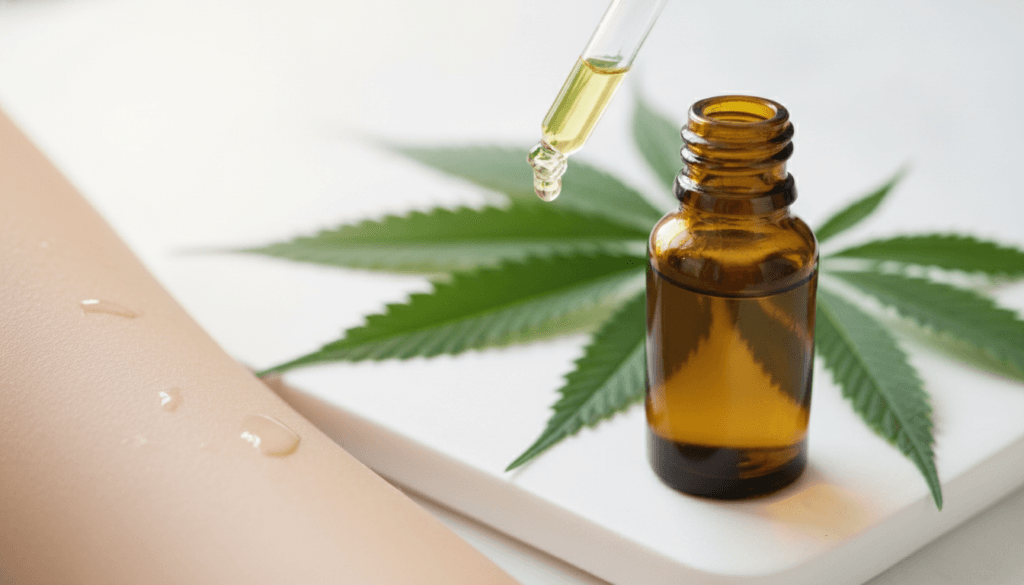
Acne is not a simple condition. It involves excess sebum production, clogged pores, bacterial proliferation, and inflammation. Most conventional acne treatments address one or two of these factors. Hemp seed oil does not cure acne, but its specific nutritional profile addresses several of the underlying mechanisms in a way that few other plant oils can match.
The Science Behind Hemp Seed Oil and Acne
Research published in the Journal of Dermatological Science in 2014 identified a key finding: people with acne-prone skin tend to have significantly lower levels of linoleic acid in their sebum compared to people without acne. This linoleic acid deficiency leads to the production of thicker, stickier sebum that is more likely to clog pores. Hemp seed oil is approximately 54 to 60% linoleic acid. Applying it topically replenishes linoleic acid in the skin and may help restore a healthier, less pore-blocking sebum composition over time.
Hemp Seed Oil’s Comedogenic Rating: Why It Matters for Acne
One of the primary concerns with using any oil on acne-prone skin is whether it will block pores and worsen breakouts. Oils are rated on a comedogenic scale from zero (will not clog pores) to five (highly comedogenic). Hemp seed oil has a rating of zero. This makes it one of the very few oils that can be used on active breakouts without the risk of adding to pore congestion.
Anti-Inflammatory Properties
Acne is, at its core, an inflammatory condition. The redness, swelling, and pain associated with acne lesions are inflammatory responses. Hemp seed oil contains Gamma-Linolenic Acid (GLA) at 2 to 4% of its fatty acid content. GLA converts in the body to Prostaglandin E1, which has documented anti-inflammatory effects. Additionally, the balanced Omega-3 content of hemp seed oil provides further anti-inflammatory support at the cellular level.
How to Use Hemp Seed Oil for Acne-Prone Skin
Apply 2 to 3 drops of cold-pressed hemp seed oil to clean, slightly damp skin after cleansing and any water-based treatments. Gently press into areas prone to breakouts. You can also apply a small amount directly to active pimples as a spot treatment. Use morning and evening consistently for at least 4 to 6 weeks before assessing results. The linoleic acid rebalancing effect on sebum composition takes time to develop. Do not expect overnight results.
What Hemp Seed Oil Cannot Do for Acne
Hemp seed oil does not kill acne-causing bacteria (C. acnes). It does not unclog already-blocked pores. It does not regulate hormonal drivers of acne. For moderate to severe inflammatory acne, hemp seed oil should be used alongside rather than instead of proven medical treatments such as benzoyl peroxide, salicylic acid, retinoids, or prescription options. It is a supportive ingredient, not a standalone cure.
Frequently Asked Questions
Does hemp seed oil clog pores?
No. Hemp seed oil has a comedogenic rating of zero, the lowest possible score on the standard scale. It will not clog pores. Its high linoleic acid content may actually help reduce pore-clogging over time by improving the fatty acid composition of sebum. This makes it one of the safest oils to use on acne-prone skin.
How long does hemp seed oil take to work on acne?
The anti-inflammatory effects can provide some visible reduction in redness and swelling relatively quickly, sometimes within days of consistent use. The sebum-rebalancing effect from linoleic acid replenishment takes longer, typically 4 to 8 weeks of daily use. Do not judge effectiveness in the first two weeks. Consistency is the key variable.
Can I use hemp seed oil with other acne treatments?
Yes. Hemp seed oil is compatible with most acne treatments. Apply water-based acne treatments such as niacinamide, salicylic acid, and azelaic acid before hemp seed oil in your routine. The oil step should come after all water-based serums. Hemp seed oil does not interfere with the effectiveness of topical retinoids but may help mitigate some of the dryness and irritation they cause when used in the same routine.
Is hemp seed oil or tea tree oil better for acne?
They serve different purposes. Tea tree oil has documented antibacterial activity against C. acnes and is directly antimicrobial. Hemp seed oil does not kill bacteria. Hemp seed oil addresses the inflammatory and sebum-composition aspects of acne. For a comprehensive approach, both can be used: tea tree oil (diluted) as a targeted spot treatment and hemp seed oil as a daily skin oil for sebum balance and inflammation support.
Will hemp seed oil make oily skin worse?
Hemp seed oil is a lightweight, fast-absorbing oil that does not feel heavy on the skin. More importantly, because it is non-comedogenic and rich in linoleic acid, it may actually help regulate sebum production over time rather than increasing surface oiliness. Most people with oily skin find that 2 to 3 drops is sufficient and does not create additional shine.