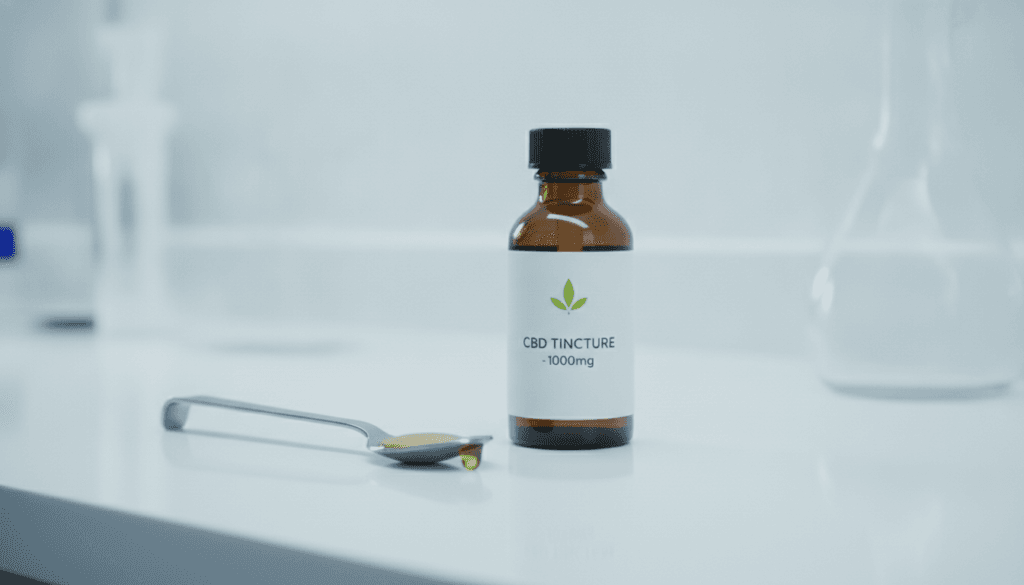
CBD has been marketed for years with the suggestion that it is essentially impossible to take too much. While CBD’s safety profile is genuinely better than many substances, the idea that there is no upper limit at all is not accurate, and recent research has sharpened the picture considerably.
Can You Fatally Overdose on CBD?
In the sense of a fatal overdose, no documented cases of death from CBD alone exist in the medical literature, even at very high doses used in clinical research (up to 1,500 mg in single-dose studies). This is fundamentally different from substances where the lethal dose is a meaningful clinical concern. However, overdose in a broader sense, meaning taking an amount that causes adverse effects or organ-level harm, is a different question, and this is where the picture has become more nuanced.
What the 2025 FDA-Linked Study Found
A randomised, double-blind, placebo-controlled clinical trial published in JAMA Internal Medicine in 2025 examined the effects of four weeks of twice-daily CBD use on liver enzymes in healthy adults, using a dose within the range many consumers take with unregulated products (5 mg/kg/day, roughly 350 mg/day for a 70 kg adult). The trial found that 8 of the CBD-treated participants (5.6%) developed elevated liver enzymes consistent with drug-induced liver injury, severe enough that 7 participants were withdrawn from the study. This is a notable finding because the study used healthy adults aged 18 to 55 with no underlying conditions or other medications, a population expected to tolerate CBD better than the general public, many of whom take other medications or have existing health conditions.
Why This Matters: Earlier Warning Signs Were There
This was not the first signal of CBD’s liver effects. FDA review of clinical trial data for Epidiolex, the approved CBD medication for epilepsy, had already found elevated liver enzymes in approximately 14% of participants at the therapeutic doses used for seizure control (5 to 20 mg/kg/day). The 2025 study extended this concern to doses more comparable to what wellness consumers might take, rather than only the higher therapeutic doses used in epilepsy treatment.
The Mechanism: Why CBD Affects the Liver
CBD is metabolised primarily through the cytochrome P450 enzyme system in the liver, the same system responsible for processing a large proportion of prescription medications. At higher doses or with prolonged use, this metabolic burden appears to be capable of causing measurable liver enzyme elevations in some individuals. Research published in 2025 examining cannabinoid hepatotoxicity using human liver cell models found that CBD could cause toxicity at higher concentrations, including pro-inflammatory responses, though the same research noted that lower concentrations showed minimal effect, consistent with a dose-dependent relationship.
What This Means for Typical Wellness Doses
The studies that found liver enzyme elevations used doses considerably higher than the 10 to 30 mg per day range commonly used for general wellness purposes. The 2025 JAMA study used approximately 350 mg/day for a 70 kg adult, and the Epidiolex data involved doses of 5 to 20 mg/kg/day (350 to 1,400 mg/day for a 70 kg adult), both substantially above typical wellness doses. A 2025 risk assessment proposed a general population upper limit of 160 mg per day for healthy adults specifically to account for this kind of risk, suggesting that for most people using CBD within commonly recommended wellness ranges, the liver enzyme risk identified in these studies may be less relevant, though the research gap on lower-dose, long-term use remains a genuinely open question according to EFSA’s 2025 to 2026 safety review.
Other Genuine Safety Considerations
Beyond liver enzymes, several other considerations are worth understanding. Drug interactions are a significant concern: CBD inhibits cytochrome P450 enzymes and other liver enzymes, meaning it can increase blood levels of medications metabolised by the same pathways, including some blood thinners, anti-seizure medications, and immunosuppressants. Reproductive and endocrine effects have been observed in animal studies, including effects on testosterone and thyroid hormones, which formed part of the rationale for the 2025 FDA-linked clinical trial’s secondary endpoints. EFSA’s 2025 review specifically noted that CBD’s ability to cross the placenta and accumulate systemically raises additional concerns for pregnancy. Drowsiness, changes in appetite, and gastrointestinal upset are the most commonly reported milder side effects, particularly at higher doses.
What Symptoms Might Indicate a Problem
Most people taking CBD at wellness doses experience no noticeable adverse effects. However, if you experience persistent fatigue beyond typical drowsiness, yellowing of the skin or eyes (jaundice), dark urine, unusual abdominal pain particularly in the upper right side, or significant changes in appetite or mood while taking CBD, particularly at higher doses, this warrants medical evaluation, including liver function tests. These symptoms could indicate the kind of liver enzyme elevation identified in the 2025 research, which the studies noted was often without obvious symptoms (silent), reinforcing the value of periodic liver function monitoring for anyone taking CBD regularly at moderate to high doses.
Frequently Asked Questions
Is it true that you cannot overdose on CBD?
In terms of fatal overdose, this remains accurate; no deaths from CBD alone have been documented even at doses up to 1,500 mg in clinical studies. However, this does not mean CBD has no upper limit for safety. A 2025 clinical trial found that 5.6% of healthy adults taking CBD at doses comparable to what some consumers take developed liver enzyme elevations significant enough to require withdrawal from the study. The accurate framing is that CBD has a very low risk of acute fatal overdose but is not free of dose-dependent risks, particularly to the liver, at higher doses.
What dose of CBD has been linked to liver problems in research?
The 2025 JAMA Internal Medicine study that found liver enzyme elevations in 5.6% of participants used approximately 5 mg/kg/day, which works out to roughly 350 mg/day for a 70 kg (154 lb) adult, taken twice daily for four weeks. This is considerably higher than the 10 to 30 mg per day commonly recommended for general wellness use, though some unregulated consumer products are formulated at doses approaching or exceeding this range.
Should I get my liver checked if I take CBD regularly?
If you are taking CBD at doses above approximately 100 mg per day on an ongoing basis, or if you are taking any other medications metabolised by the liver, discussing periodic liver function testing with a healthcare provider is a reasonable precaution given the 2025 research findings. The study noted that liver enzyme elevations occurred without obvious symptoms in many cases, meaning you would not necessarily feel unwell even if enzyme levels were elevated. For lower doses (under 30 mg per day) without other risk factors, the relative risk based on current evidence appears lower, though long-term data at these doses remains limited.
Can CBD interact dangerously with my other medications?
CBD inhibits cytochrome P450 enzymes in the liver, which can increase the blood concentration of medications that rely on these enzymes for clearance, including some blood thinners (such as warfarin), certain anti-seizure medications, and some immunosuppressants. This is not necessarily dangerous in itself, but it can mean your existing medication dose becomes effectively too high, requiring adjustment. Anyone on prescription medication should discuss CBD use with a doctor or pharmacist before starting, regardless of the dose.
Is CBD safe during pregnancy?
EFSA’s 2025 safety review specifically flagged concerns about CBD’s ability to cross the placenta and accumulate systemically, alongside reproductive and endocrine effects observed in animal studies. Current guidance generally advises against CBD use during pregnancy, while breastfeeding, or while trying to conceive, and a 2025 risk assessment proposed a lower upper intake limit of 70 mg per day specifically for this population if use occurs at all, though avoidance is the more conservative and commonly recommended approach pending further research.
Why did CBD’s safety reputation seem so much better a few years ago?
Earlier safety assessments of CBD were based on more limited data, often from shorter studies, smaller populations, or studies not specifically designed to detect liver effects at consumer-relevant doses. The 2025 JAMA study was notable precisely because it was a rigorously designed randomised controlled trial using doses comparable to real-world consumer use, which had not been studied this way before. As research methodology improves and more targeted studies are conducted, the safety picture for any compound tends to become more detailed and sometimes more cautious than earlier, less rigorous data suggested. This reflects normal scientific progress rather than CBD suddenly becoming more dangerous.