Last updated: 2 September 2026. Informational only, not medical advice.
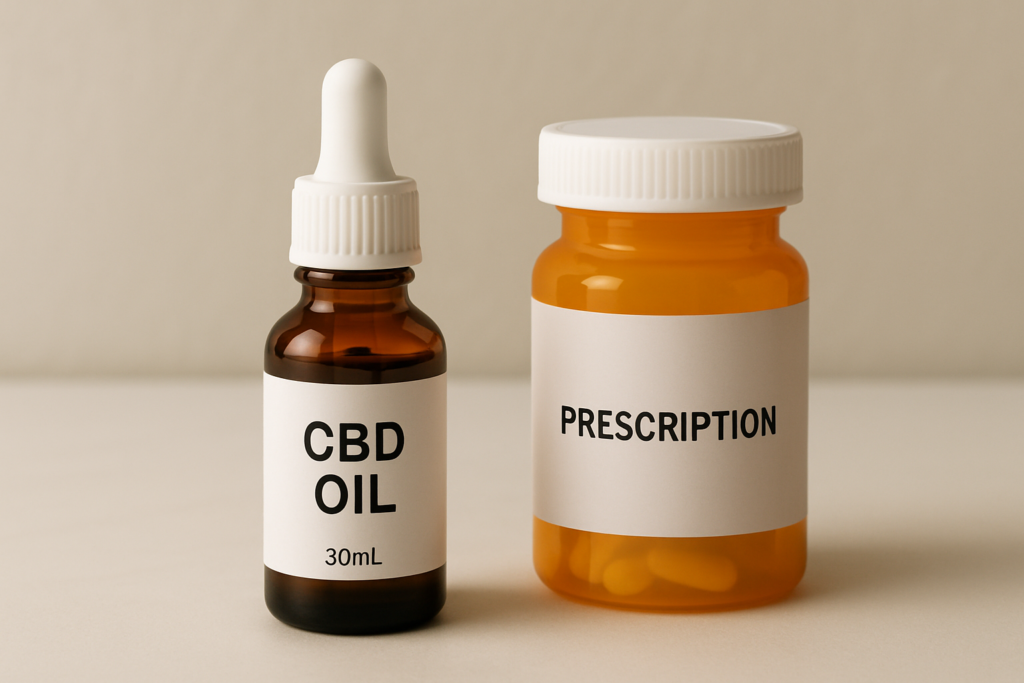
CBD and SSRIs (selective serotonin reuptake inhibitors) like sertraline, fluoxetine, or escitalopram have a real, documented interaction risk, primarily through CBD’s inhibition of liver enzymes that metabolize many SSRIs. This can raise SSRI blood levels, potentially increasing both effects and side effects. This is not a reason to assume the combination is unsafe for everyone, but it is a firm reason to involve your prescribing doctor before starting CBD.
CBD and SSRIs at a glance
| Factor | Detail |
|---|---|
| Shared pathway | CYP2D6 and CYP3A4, both used by most SSRIs |
| Effect | CBD may slow SSRI clearance, raising blood levels |
| Practical result | SSRI may act stronger than prescribed dose suggests |
| Documented risk level | Moderate, mechanism well understood, case reports exist |
| Serotonin syndrome risk | Low from CBD alone, relevant if combined with other serotonergic substances |
How this interaction actually works
Most SSRIs are metabolized through cytochrome P450 liver enzymes, particularly CYP2D6 and CYP2C19, with some involvement of CYP3A4. CBD is a documented inhibitor of several of these same enzymes. When CBD slows down these enzymes, SSRIs can be cleared more slowly, effectively raising their concentration in the blood beyond what the prescribed dose accounts for.
This doesn’t automatically mean harm, many people take both without apparent issue, but it does mean the SSRI’s effective dose may be functionally higher than intended, which can increase both therapeutic effects and side effects like nausea, sedation, or in rarer cases, more serious reactions.
Which SSRIs are most relevant
| Medication | Primary pathway | Interaction relevance |
|---|---|---|
| Sertraline (Zoloft) | CYP2C19, CYP2D6 | Moderate to high |
| Fluoxetine (Prozac) | CYP2D6, CYP2C9 | High, fluoxetine itself is also an enzyme inhibitor |
| Escitalopram (Lexapro) | CYP2C19, CYP3A4 | Moderate |
| Paroxetine (Paxil) | CYP2D6 | Moderate to high |
Why this needs a doctor, not self-management
Antidepressant dosing is carefully calibrated, and unmonitored changes in effective blood levels (even from a supplement rather than another prescription) can affect both symptom control and side effect burden in ways that are hard to self-assess. A doctor or psychiatrist can:
- Advise on whether your specific SSRI carries higher or lower interaction relevance
- Recommend starting with a low CBD dose if proceeding
- Monitor for signs of increased SSRI effect or side effects
- Adjust medication dosing if needed based on your response
What to watch for if combining, under medical guidance
- Increased sedation or drowsiness beyond your usual SSRI experience
- New or worsened nausea
- Unusual restlessness or agitation
- Any symptoms suggestive of serotonin syndrome: rapid heart rate, sweating, tremor, confusion (this is rare but warrants emergency care)
Never stop your SSRI to accommodate CBD use
Stopping SSRIs abruptly can cause withdrawal effects and risk relapse of the underlying condition being treated. Any changes to antidepressant medication should be a decision made with your prescribing doctor, never a unilateral choice made to “make room” for a supplement.
Who should be most cautious
- Recently started or changed SSRI dose. Your baseline response isn’t established yet.
- On fluoxetine specifically. Its own long half-life and enzyme inhibition add complexity to any additional interaction.
- Also taking other serotonergic supplements or medications. 5-HTP, St. John’s Wort, tramadol, or triptans combined with both an SSRI and CBD compounds risk.
- History of serotonin syndrome or significant SSRI side effects. Extra caution and closer monitoring warranted.
Frequently asked questions
Can I take CBD while on an SSRI?
Possibly, but only with your prescribing doctor’s knowledge and guidance, given the documented enzyme interaction. Don’t start without informing them.
Will CBD make my antidepressant stop working?
The more likely effect is the opposite, CBD may increase SSRI blood levels, not reduce them, though effects on any individual can vary.
Is this interaction dangerous?
It’s a real, mechanism-based interaction rather than a rare fluke, but it doesn’t mean harm is inevitable. Medical supervision manages the risk.
Should I tell my psychiatrist I’m using CBD?
Yes, always. This is exactly the kind of interaction that’s only manageable if your prescriber knows about it.
Does this apply to SNRIs too?
Many SNRIs share similar liver enzyme pathways, so similar caution and medical guidance applies.