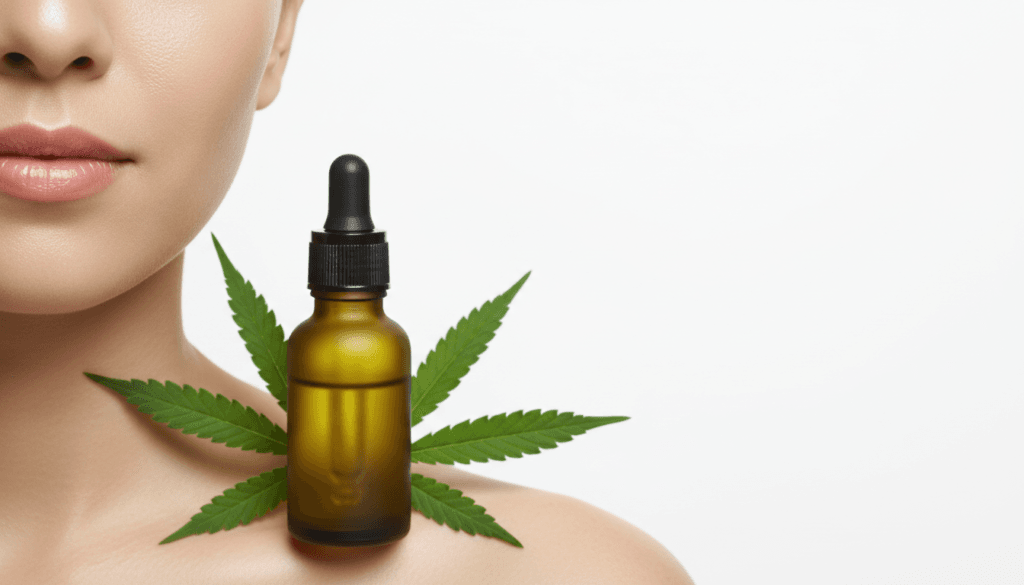
Sensitive skin is a broad and sometimes frustrating category. It can mean skin that reacts to fragrance, skin that flushes and reddens easily, skin with conditions like rosacea, eczema, or contact dermatitis, or simply skin that does not tolerate many product ingredients well. Adding any new ingredient to a sensitive skin routine requires careful consideration. Hemp seed oil has properties that make it genuinely suitable for many types of sensitive skin, but context matters.
What Makes Hemp Seed Oil Suitable for Sensitive Skin
Hemp seed oil has several properties that align well with the needs of sensitive skin. Its comedogenic rating is zero, meaning it will not clog pores regardless of how reactive the skin is. Pure cold-pressed hemp seed oil is naturally fragrance-free, as it contains no added fragrances or essential oils. It has a balanced fatty acid profile including Omega-3 and GLA that provides anti-inflammatory support at the skin level. Its linoleic acid content supports the skin’s natural barrier function, which is often compromised in sensitive skin types. Most importantly, hemp seed oil is compatible with the skin’s own lipid chemistry, making adverse reactions uncommon in pure form.
Skin Conditions Where Hemp Seed Oil Has Evidence
For eczema and atopic dermatitis, a 20-week clinical study showed dietary hemp seed oil significantly reduced skin dryness, itchiness, and transepidermal water loss. For rosacea, while specific clinical trials on hemp seed oil are limited, its anti-inflammatory fatty acids and zero comedogenic rating make it a frequently recommended option among dermatologists who prefer oil-based options for this condition. For contact dermatitis, its pure composition makes it one of the less likely oils to trigger reactions compared to those with higher fragrance or additional ingredient risks.
Who Should Be Cautious
Cannabis allergy, while rare, does exist. Individuals with known cannabis plant allergy should perform a careful patch test before using any hemp-derived product, including hemp seed oil. People with nut allergies should note that hemp seeds are technically seeds not nuts, but cross-reactivity has been reported in rare cases and a patch test is appropriate. Those with very reactive rosacea should introduce any new topical product extremely gradually, even hemp seed oil, as any new product can trigger flushing in highly reactive skin during the adjustment period.
How to Introduce Hemp Seed Oil to a Sensitive Skin Routine
Start with a patch test. Apply a small amount to the inside of the wrist or behind the ear and observe for 24 to 48 hours. If no reaction occurs, introduce it to the face once every other evening for the first week. Assess skin response before increasing frequency. Use only a pure, cold-pressed, fragrance-free hemp seed oil with no additional ingredients. Avoid formulated products that contain hemp seed oil alongside other active ingredients when first testing sensitivity, as reactions may be from the other ingredients rather than the hemp seed oil itself.
Frequently Asked Questions
Is hemp seed oil good for rosacea?
Hemp seed oil is widely used and generally well-tolerated by rosacea-prone skin due to its zero comedogenic rating, anti-inflammatory fatty acids, and fragrance-free nature in pure form. There are no large clinical trials specifically on hemp seed oil for rosacea. Anecdotal reports from rosacea communities are generally positive, and dermatologists who favour natural oil-based moisturisers often include hemp seed oil among recommended options for this condition. As with any product on rosacea skin, introduction should be gradual.
Can hemp seed oil trigger an allergic reaction?
Genuine allergic reactions to pure hemp seed oil are rare but possible. Cannabis plant allergy exists, and individuals with known sensitivity to the Cannabis sativa plant should be cautious. Cross-reactivity with nut allergies is occasionally reported. A standard 24 to 48 hour patch test on a small area of skin before facial application is the appropriate precaution for anyone with sensitive or reactive skin, including those with multiple existing product sensitivities.
Does hemp seed oil help with skin barrier repair?
Yes. Hemp seed oil’s linoleic acid and alpha-linolenic acid content directly supports the skin’s lipid barrier by replenishing the essential fatty acids that form part of its structural composition. A compromised skin barrier is a hallmark of many sensitive skin conditions including eczema, rosacea, and contact dermatitis. By supporting barrier repair, hemp seed oil helps reduce the transepidermal water loss (TEWL) and external irritant penetration that make sensitive skin reactive.
Is hemp seed oil or aloe vera better for sensitive skin?
They address different aspects of sensitive skin care. Aloe vera is cooling, immediately calming, and particularly effective for acute redness and irritation. Hemp seed oil provides longer-term barrier repair, moisture retention, and anti-inflammatory fatty acid support. For immediate calming after sun exposure or a reaction, aloe vera is the better first response. For daily nourishment and barrier maintenance in sensitive skin, hemp seed oil provides more sustained structural support. Many sensitive skin routines benefit from both used at different steps.
Should I use hemp seed oil or hemp CBD cream for sensitive skin?
For general sensitive skin maintenance, pure cold-pressed hemp seed oil is the simpler and lower-risk starting point. It has no additional active ingredients that could trigger reactions. CBD topicals may offer additional anti-inflammatory benefit through the endocannabinoid system’s skin receptors, which may be relevant for inflammatory skin conditions. However, CBD topicals often contain additional ingredients (carrier oils, emulsifiers, fragrances in some formulations) that introduce more variables for sensitive skin. Starting with pure hemp seed oil and assessing tolerance before moving to more complex CBD formulations is the cautious approach.