
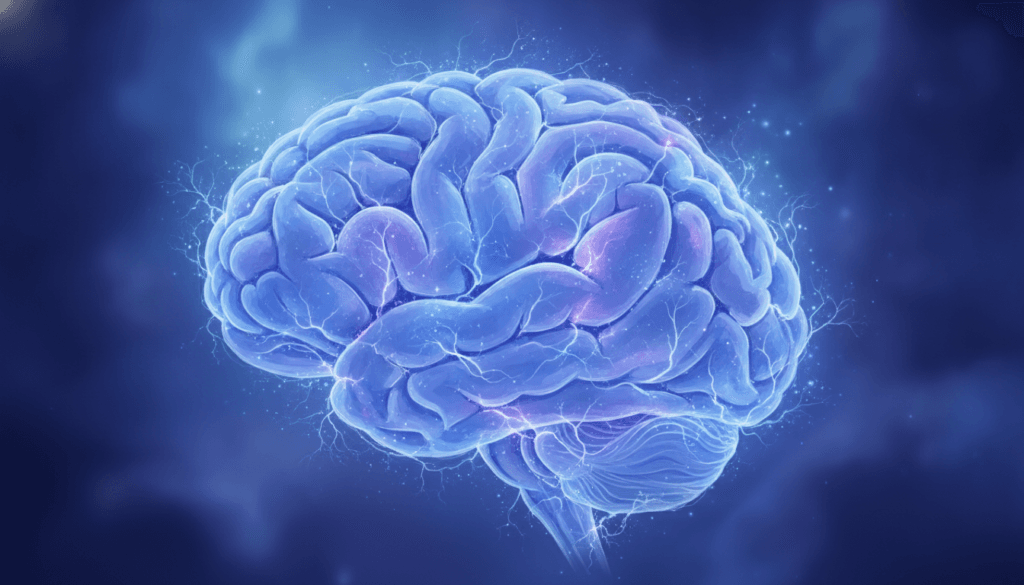
The experience of being high is familiar to anyone who has used THC-containing cannabis, but what is actually happening inside the brain during that time, and what happens once the experience fades, are questions that neuroscience has been steadily answering in increasing detail.
The First Few Minutes: How THC Enters the Brain
When cannabis is smoked or vaped, THC passes from the lungs into the bloodstream and reaches the brain within minutes, crossing the blood-brain barrier readily due to its fat-soluble (lipophilic) nature. Once in the brain, THC binds to CB1 receptors, part of the endocannabinoid system, which are densely distributed throughout brain regions including the prefrontal cortex (involved in decision-making and executive function), the hippocampus (memory formation), the amygdala (emotional processing, particularly fear and anxiety), the basal ganglia (movement coordination), and the cerebellum (balance and coordination). The widespread distribution of CB1 receptors across these functionally diverse regions is the underlying reason THC produces such a broad range of simultaneous effects, touching mood, memory, perception, coordination, and appetite all at once.
What’s Happening in Each Affected Region
In the prefrontal cortex, THC’s activation of CB1 receptors is associated with the altered judgment and decision-making commonly reported during intoxication, along with changes in the subjective experience of time, often described as time feeling slower or distorted. In the hippocampus, CB1 activation disrupts the normal process of forming new short-term memories, which is the neurological basis for the well-documented short-term memory impairment during cannabis intoxication, sometimes described colloquially as forgetting what you were saying mid-sentence. In the amygdala, THC’s effect is notably dose-dependent and individually variable; at lower doses or for some individuals, activation here is associated with reduced anxiety and increased relaxation, while at higher doses or in other individuals, the same activation can increase anxiety, sometimes escalating to paranoia. This variability is part of why the same THC product can produce very different subjective experiences in different people, or even in the same person on different occasions. In the cerebellum and basal ganglia, CB1 activation affects motor coordination and balance, contributing to the impaired coordination associated with intoxication, which is directly relevant to why driving while intoxicated with THC is dangerous.
The Dopamine Connection
THC’s interaction with the endocannabinoid system also influences the brain’s dopamine pathways, particularly the mesolimbic pathway often referred to as the brain’s reward system. THC use increases dopamine release in this pathway, contributing to the euphoria and sense of reward associated with the high. This dopamine involvement is also part of the neurological basis for cannabis’s potential for psychological dependence with regular use, since the reward pathway’s response to substances that increase dopamine is a key mechanism underlying substance dependence broadly, not unique to cannabis.
Peak Effects and the Role of Dose
The intensity and character of THC’s effects are strongly dose-dependent, and this dose-response relationship is not always linear or predictable, particularly for less experienced users or with edibles where the active metabolite 11-hydroxy-THC (formed during liver metabolism) is more potent and longer-lasting than inhaled THC itself. At typical recreational doses for an experienced user, effects often include the relaxation, altered perception, and mild euphoria commonly sought. At higher doses, particularly for inexperienced users, or with high-potency products (cannabis potency has increased substantially over recent decades, with average THC content in many products far higher than products available in past decades), the same mechanisms can produce more intense and sometimes uncomfortable effects, including significant anxiety, paranoia, or in rare cases, transient psychotic-like symptoms such as hallucinations, which generally resolve as the THC’s effects wear off but can be distressing during the experience.
What Happens as the High Fades
As THC is metabolised and CB1 receptor activation decreases, the acute effects gradually subside, though the timeline varies by consumption method (one to four hours for smoking or vaping, six to ten hours or longer for edibles, as discussed in our piece on edibles). During this come-down period, some people report a transition through different subjective states, sometimes including increased hunger (the well-documented munchies effect, linked to THC’s influence on hunger-regulating brain regions and hormones including ghrelin), and for some, a period of tiredness or low mood as the acute effects fade, sometimes described informally as a comedown, though this is generally mild and short-lived compared to comedowns associated with some other substances.
The Hangover Question: Does THC Cause One?
Some research and many users report a next-day cannabis hangover, characterised by symptoms such as grogginess, mild headache, or dry mouth persisting into the following day, particularly after higher doses or edibles with their longer duration. The mechanisms are less well-characterised than alcohol hangovers, but are thought to relate to residual effects of THC and its metabolites still present in the system, along with potential sleep quality disruption from THC’s effects on sleep architecture (THC is known to suppress REM sleep, and a rebound effect with more vivid dreaming is commonly reported once THC’s effects fully clear, which can affect sleep quality the following night even if not the immediate next day).
Long-Term Considerations: What Repeated Use Does
With regular use, the same CB1 receptors that mediate THC’s acute effects undergo downregulation, a reduction in receptor density and sensitivity, which is the basis for THC tolerance discussed in detail in our piece on tolerance and tolerance breaks. Beyond tolerance, research has examined other potential effects of regular, heavy use, particularly when use begins in adolescence when the brain is still developing; this remains an active area of research with findings suggesting greater caution is warranted for younger users specifically, though the picture for adult, moderate use is generally considered to carry lower risk for the kinds of structural or cognitive concerns sometimes raised in this area.
Frequently Asked Questions
Why does THC affect memory?
THC binds to CB1 receptors in the hippocampus, the brain region central to forming new memories. This binding disrupts the normal process of encoding new short-term memories during intoxication, which is why people often experience difficulty following or remembering conversations, or forget what they were doing, while high. This effect is temporary and tied to the period of active intoxication; it does not indicate permanent memory loss from a single instance of use.
Why do some people get anxious or paranoid from THC while others feel relaxed?
THC’s effect on the amygdala, the brain region central to processing fear and threat, is notably dose-dependent and varies between individuals. At lower doses, or for some people generally, amygdala activation by THC is associated with reduced anxiety and relaxation. At higher doses, or for other individuals (sometimes related to baseline anxiety levels, prior experience with cannabis, or genetic factors affecting the endocannabinoid system), the same activation can increase anxiety or trigger paranoia. This individual and dose-dependent variability is one of the most consistent findings in cannabis research and explains why the same product can produce very different experiences for different people.
What causes the munchies?
THC’s interaction with the endocannabinoid system affects brain regions and hormonal pathways involved in regulating hunger, including increasing levels of ghrelin, a hormone that stimulates appetite. THC also appears to enhance the perceived pleasantness of food, particularly foods high in sugar or fat, through its effects on reward pathways. Together, these effects produce the well-documented increase in appetite commonly experienced during and after cannabis intoxication.
Is there such a thing as a weed hangover?
Many users report next-day symptoms such as grogginess, mild headache, or dry mouth after cannabis use, particularly after higher doses or edibles, sometimes referred to informally as a weed hangover. The mechanisms are less well-studied than alcohol hangovers but are thought to involve residual THC metabolites and disrupted sleep architecture, since THC suppresses REM sleep and can cause a rebound effect with more vivid dreaming once its effects clear, potentially affecting sleep quality.
Does THC permanently change the brain?
The acute effects of THC on memory, mood, and coordination are temporary and resolve as THC clears from the system. With regular use, CB1 receptor downregulation (tolerance) occurs but is also reversible with abstinence, as discussed in research on tolerance breaks. Questions about longer-term structural or developmental effects, particularly with heavy use beginning in adolescence when the brain is still developing, remain an active area of research, and represent a different question from the temporary, reversible effects associated with adult, moderate use.
Why do edibles affect the brain differently than smoking?
Edibles are metabolised through the liver before reaching the brain, a process that converts a portion of THC into 11-hydroxy-THC, a metabolite that is more potent and crosses the blood-brain barrier more readily than THC itself. This means the same CB1 receptor mechanisms described in this article are activated, but by a different and more potent compound, with slower onset and longer duration, which is why edibles are often described as producing a different character of experience (sometimes described as more of a body high or more immersive) compared to smoking or vaping.