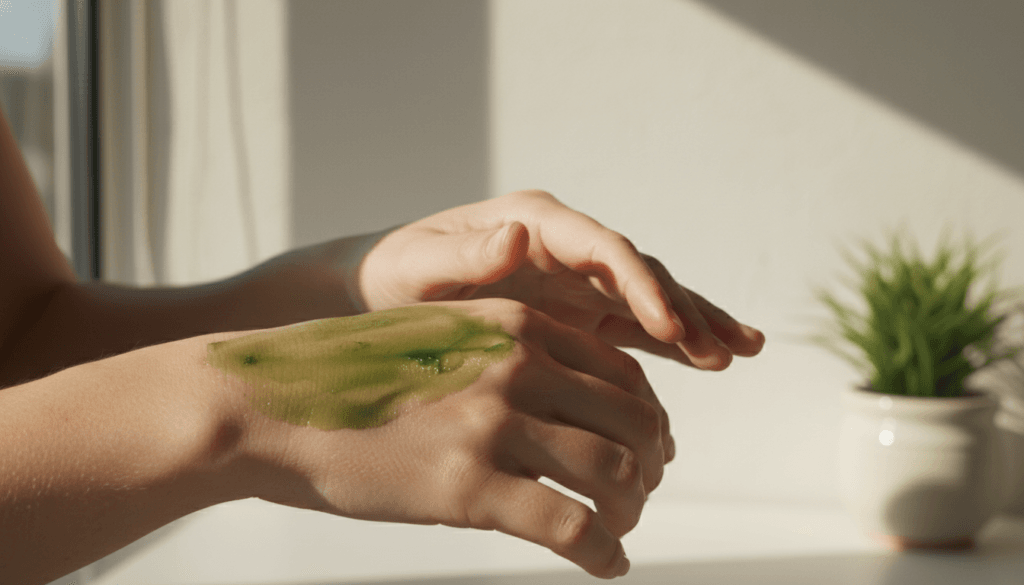
Dry skin is one of the most common skin complaints across all age groups and climates. When the skin’s barrier is compromised or the skin is simply not retaining enough moisture, it becomes rough, flaky, tight, and uncomfortable. The solution is not just adding water to the skin but helping it retain water more effectively. Hemp seed oil works on both fronts.
Why Hemp Seed Oil Works for Dry Skin
Hemp seed oil is rich in polyunsaturated fatty acids, particularly linoleic acid (Omega-6) and alpha-linolenic acid (Omega-3), which are structural components of the skin’s lipid barrier. This barrier is a protective layer of lipids between skin cells that prevents water from evaporating through the skin, a process called transepidermal water loss (TEWL). When the lipid barrier is compromised due to genetics, environmental damage, over-cleansing, or aging, moisture escapes and skin becomes dry.
Applying hemp seed oil topically replenishes the fatty acids in this barrier, helping it function more effectively. The result is improved moisture retention from within the skin rather than simply coating the surface with moisture.
The Clinical Evidence
A 20-week randomised study published in the Journal of Dermatological Treatment examined the effect of dietary hemp seed oil on patients with atopic dermatitis, a condition characterised by chronic dry and itchy skin. Patients who consumed hemp seed oil daily showed significant improvements in skin dryness, itchiness, and transepidermal water loss compared to the control group. While this study looked at dietary intake rather than topical application, it demonstrated hemp seed oil’s ability to influence skin moisture and barrier function through its fatty acid content.
How to Use Hemp Seed Oil for Dry Skin
For topical use on dry skin, apply 4 to 6 drops of cold-pressed hemp seed oil to clean, damp skin and press gently rather than rubbing. The slightly damp surface helps with absorption and locks in additional moisture. For very dry body skin, mix a few drops into your regular body lotion or apply after showering while skin is still slightly damp. For extremely dry hands or elbows, apply directly and leave overnight.
For dietary support of skin moisture from within, add 1 to 2 tablespoons of hemp seed oil daily to salads, smoothies, or drizzled over food. The fatty acids consumed internally support skin barrier function at the cellular level.
Hemp Seed Oil vs Other Oils for Dry Skin
Compared to argan oil (comedogenic rating 0, very rich, slower absorbing), hemp seed oil absorbs more quickly and is lighter in texture. Compared to rosehip oil (comedogenic rating 1, strong in antioxidants), hemp seed oil has a better fatty acid balance for barrier repair. Compared to coconut oil (comedogenic rating 4, highly occlusive), hemp seed oil will not clog pores, making it safer for dry skin on the face. For severely dry skin on the body where occlusion is not a concern, coconut oil or shea butter may provide more intensive short-term relief, but hemp seed oil provides better long-term barrier support.
Frequently Asked Questions
How quickly does hemp seed oil work on dry skin?
Immediate softening and a reduction in tight, uncomfortable skin sensation can typically be felt within minutes of application as the oil provides a lipid layer and begins absorbing. More meaningful improvements in overall skin hydration levels typically develop over 2 to 4 weeks of consistent daily use as the fatty acids gradually support and rebuild the skin barrier.
Can I use hemp seed oil on dry skin on my body as well as my face?
Yes. Hemp seed oil is suitable for use on dry skin anywhere on the body. For larger body areas, it is most cost-effective to mix a few drops into an existing body lotion rather than using it neat. Applied neat after showering to very dry areas like elbows, knees, and heels, it provides concentrated barrier-building fatty acid support.
Does hemp seed oil help with flaky skin?
Yes. Flaky skin is often a sign of compromised skin barrier function and inadequate lipid support. Hemp seed oil’s linoleic acid and alpha-linolenic acid content directly addresses this by replenishing skin lipids. With consistent use, most people see reduction in flaking within 2 to 3 weeks. Exfoliating gently before applying hemp seed oil can also improve absorption on very flaky skin.
Is hemp seed oil or jojoba oil better for dry skin?
Both are excellent for dry skin and suit different needs. Jojoba oil is technically a liquid wax that closely mimics skin sebum and is excellent as a long-lasting moisturiser and barrier protectant. Hemp seed oil offers more active fatty acid support for barrier repair and has the additional benefit of GLA. For a long-term skin barrier repair approach, hemp seed oil has an edge. For daily moisturisation, both perform well and can be layered or alternated.
Can I take hemp seed oil internally for dry skin?
Yes, and there is clinical evidence supporting this approach. Consuming 1 to 2 tablespoons of cold-pressed hemp seed oil daily provides the Omega-3 and Omega-6 fatty acids your body uses to build and maintain skin cell membranes and the skin barrier from within. The clinical study on atopic dermatitis patients showed measurable improvements in TEWL and skin dryness from dietary hemp seed oil over 20 weeks.