Protein is the most talked-about macronutrient in fitness and wellness, and for good reason. Without sufficient protein, the body cannot build or repair muscle tissue, synthesise enzymes and hormones, or maintain immune function effectively. As plant-based diets become more mainstream and concerns about the environmental cost of animal agriculture grow, plant-based protein sources are attracting serious attention.
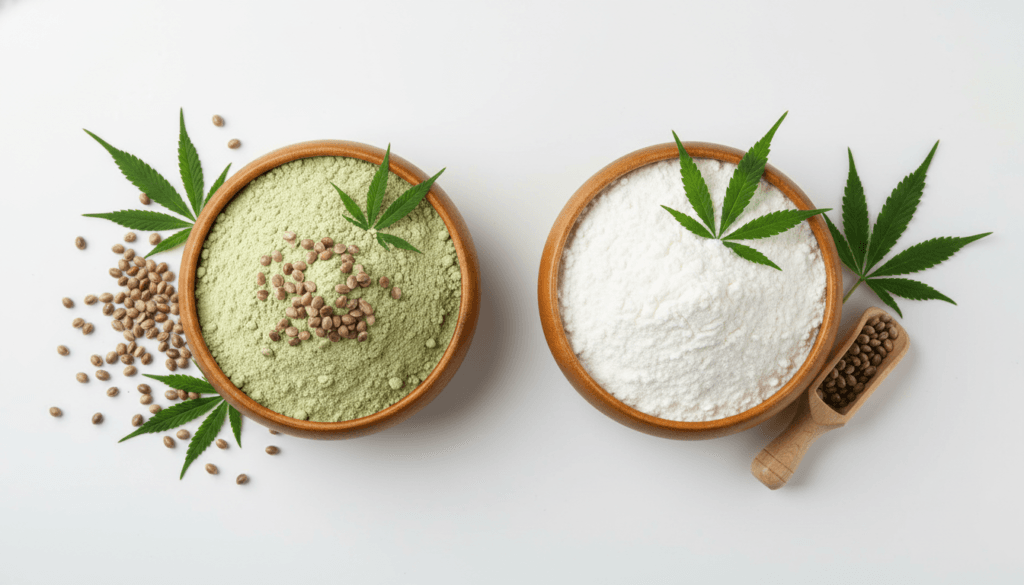
Hemp protein and whey protein represent two very different approaches to meeting protein needs. Here is an honest comparison of both.
Protein Content: How Do They Compare?
Whey protein concentrate typically provides 70 to 80% protein by weight, with whey protein isolate reaching 90% or higher. Hemp protein powder provides approximately 50% protein by weight, with the remainder being fiber, fats, and minerals. Per 30-gram serving, whey protein delivers approximately 24 to 27 grams of protein. Hemp protein delivers approximately 15 grams per 30-gram serving. On raw protein density, whey has a clear numerical advantage.
Amino Acid Profile: Complete vs Complete
Both hemp protein and whey protein provide all nine essential amino acids, making both complete proteins. The key difference is in the leucine content. Leucine is the amino acid most directly responsible for triggering muscle protein synthesis (MPS), the process by which the body builds new muscle tissue. Whey protein contains 8 to 11% leucine by amino acid content. Hemp protein contains approximately 5 to 6% leucine. This difference in leucine content is one reason whey protein is consistently associated with superior muscle-building outcomes in resistance training research. For athletes specifically focused on maximising muscle protein synthesis, whey’s leucine advantage is meaningful.
Digestibility
Protein quality is not just about amino acid content but about how well those amino acids are absorbed. A common measurement of protein digestibility is PDCAAS (Protein Digestibility-Corrected Amino Acid Score). Whey protein has a PDCAAS score of 1.0, the maximum possible, indicating excellent digestibility. Hemp protein has a PDCAAS score of approximately 0.63 to 0.66, reflecting lower digestibility partly due to its fiber content. In practice, this means you need more hemp protein to achieve the same amino acid delivery to muscles as a smaller serving of whey. However, hemp protein’s digestibility can be improved by choosing hemp protein powder that has been processed to remove some of the fiber content.
Beyond Protein: Where Hemp Wins
Hemp protein is not just protein. A 30-gram serving provides approximately 7 to 8 grams of dietary fiber, supporting digestive health and satiety. It contains Omega-3 and Omega-6 fatty acids in the hemp seed’s ideal 3:1 ratio. It provides iron, magnesium, phosphorus, and zinc. It is completely dairy-free and suitable for those with lactose intolerance or dairy allergies. It carries a lighter environmental footprint than dairy protein. For someone choosing a protein supplement that also contributes to general nutrition, hemp protein delivers more than whey in all categories except protein density and leucine content.
Taste and Mixability
Whey protein mixes easily into water or milk and comes in a wide range of flavoured products. Plain hemp protein has an earthy, nutty flavour that not everyone enjoys but that works well in smoothies with fruit, nut butter, or cacao. It does not mix as smoothly as whey and can produce a slightly gritty texture. Most people find it more palatable in blended smoothies than stirred into water alone.
Who Should Choose Hemp Protein?
Hemp protein is the better choice for people who follow a vegan or dairy-free diet, those who want a protein supplement that also provides fiber, Omega fatty acids, and minerals, people with sensitive digestive systems who find whey causes bloating, and those who prioritise sustainable food sourcing. Whey protein is the better choice for people focused primarily on maximising muscle protein synthesis, athletes in strength sports who need high leucine delivery, and those who want the best protein density per gram of powder.
Frequently Asked Questions
Can hemp protein build muscle as effectively as whey?
Hemp protein can support muscle building and maintenance but is less efficient at maximising muscle protein synthesis than whey due to its lower leucine content and digestibility score. To achieve equivalent leucine delivery, a larger serving of hemp protein is needed. For recreational exercisers and those simply trying to meet daily protein requirements, hemp protein is entirely adequate. For competitive athletes or those specifically focused on maximising muscle gain, whey protein delivers a measurably higher anabolic stimulus per gram.
Is hemp protein a complete protein?
Yes. Hemp protein contains all nine essential amino acids, meeting the definition of a complete protein. While its leucine content is lower than whey, all essential amino acids are present. This makes it a nutritionally valid plant-based protein source, particularly for people who complement it with other plant proteins throughout the day to optimise their overall amino acid balance.
Does hemp protein taste bad?
Hemp protein has an earthy, nutty, slightly grassy flavour that is an acquired taste for some. It blends well into smoothies with stronger-flavoured ingredients like banana, berries, cocoa, or nut butter. On its own mixed with water, most people find it unpleasant. Flavoured hemp protein products are available and significantly improve palatability. The taste is one of the more common reasons people prefer blending it into food rather than taking it as a standalone shake.
Is hemp protein good for people with digestive issues?
Generally yes. Hemp protein is dairy-free, soy-free, and gluten-free (from the hemp source itself, though always check for cross-contamination if you have celiac disease). Many people who experience bloating or digestive discomfort with whey protein find hemp protein easier to tolerate. The fiber content can actually support digestive health, though people with sensitive digestive systems should introduce it gradually.
How much hemp protein should I take per day?
A typical serving is 2 to 4 tablespoons (30 to 45 grams) providing 15 to 20 grams of protein. For general wellness, one serving per day added to a smoothie or recipe is sufficient. For athletes with higher protein requirements, two servings can be incorporated into daily nutrition. Hemp protein is a food supplement and can be consumed as part of meals rather than just as a standalone shake.