If you have decided that a vape pen is the right format for your CBD or THC use, the next step is choosing one. The market is crowded with options at every price point, and the differences between a good choice and a poor one are not always obvious from product photos alone. Here is what actually matters.
Step 1: Decide Between Disposable and Reusable
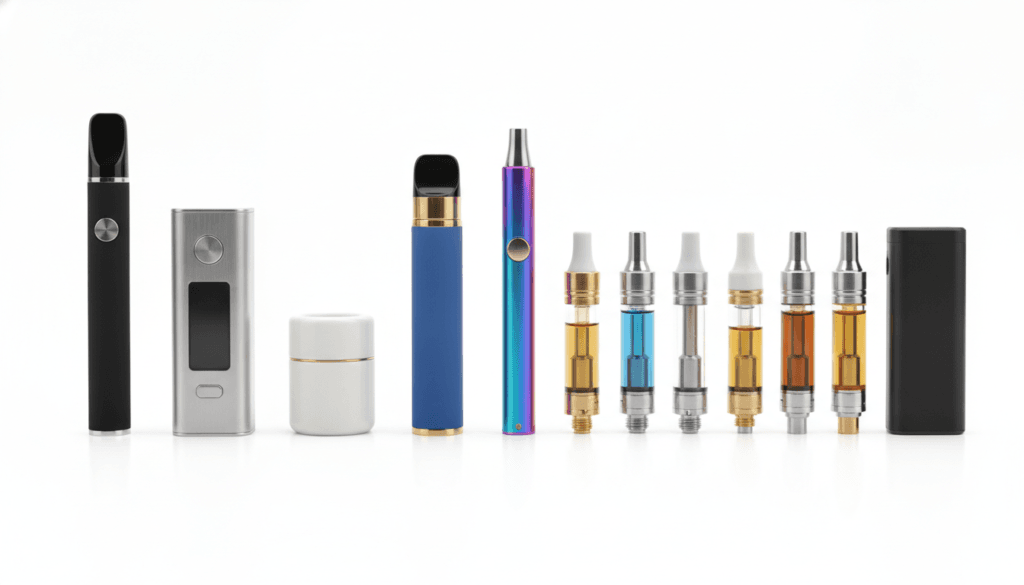
This is the first and most consequential decision. Disposable vape pens come pre-filled and pre-charged, requiring no setup, maintenance, or compatibility checking. They are the simplest entry point but have a higher cost per use over time and create more waste. Reusable 510-thread batteries paired with replaceable cartridges offer better long-term value (the battery is reused across many cartridges) and reduce waste, but require you to ensure compatibility between battery and cartridge, and require periodic charging. For a first-time user, a disposable can be a reasonable way to try a product before committing to a reusable system. For ongoing regular use, a 510-thread battery is generally more economical and practical.
Step 2: Check 510-Thread Compatibility
The 510 thread is a standardised screw-on connection that has become the default for CBD and THC oil cartridges. If you are buying a reusable battery, confirm it uses the 510-thread standard, as this gives you access to the widest range of compatible cartridges across brands. Some proprietary pod systems exist that only work with cartridges from the same brand; these can limit your future options and are generally less flexible than 510-thread systems for cannabinoid products specifically.
Step 3: Consider Voltage and Temperature Control
Basic 510-thread batteries operate at a single fixed voltage, which is simple but means every cartridge is heated the same way regardless of its specific oil viscosity or terpene content. Variable voltage batteries allow you to adjust the power output, typically in a range of around 2.5 to 4.2 volts, which can affect vapour density, flavour, and how efficiently the oil is used. Higher voltage produces more vapour and heat but can also degrade terpenes and flavour more quickly, and may cause thicker oils to burn rather than vaporise cleanly. For most CBD and THC cartridge users, a battery with at least basic variable voltage (low, medium, high settings) offers useful flexibility without the complexity of fully adjustable box mods.
Step 4: Look for Genuine Safety Features
Reputable vape batteries include several safety features worth checking for. Short-circuit protection prevents damage if the battery and cartridge connection has a fault. Overcharge protection prevents the battery from being damaged or becoming a fire risk if left charging too long. Auto shut-off after a period of inactivity (commonly 10 to 15 seconds of continuous draw, or after a period of non-use) prevents accidental activation and overheating. Devices from established, traceable brands are far more likely to include these features reliably than unbranded or extremely low-cost options, where quality control can be inconsistent.
Step 5: Match the Device to the Oil
Different cannabinoid oils have different viscosities (thicknesses), and this affects which devices work well with them. Thinner oils, often containing added terpenes or thinning agents like MCT, generally work well with standard wattage cartridges and basic batteries. Thicker, more viscous oils, including some live resin or full-spectrum extracts with minimal additives, may require higher voltage or specially designed cartridges with wider airflow paths and ceramic heating elements to vaporise effectively without burning. If you have had a poor experience with a cartridge (weak vapour, burnt taste), the issue may be a mismatch between the oil’s viscosity and the device’s heating power rather than the oil itself.
Step 6: Prioritise the Cartridge’s Lab Testing Over the Battery’s Branding
The battery is a relatively standardised piece of technology; the cartridge is where the actual cannabinoid content and safety profile lives. Always check for a Certificate of Analysis (COA) for the cartridge’s oil content, confirming cannabinoid levels (CBD, THC, and others as applicable), and screening for pesticides, heavy metals, and residual solvents from extraction. For THC products specifically, also check for vitamin E acetate testing given its association with EVALI, even though regulated markets have largely eliminated this ingredient from legal products.
What to Avoid
Avoid vape pens or cartridges purchased from unregulated, informal sources (social media sellers, unlicensed online retailers for THC products in regulated markets), as these are the products most associated with the safety incidents discussed in vaping safety research. Avoid products that provide no lab testing information or COA at all. Avoid extremely cheap disposable devices with no brand information, as these often have the least reliable safety features and quality control. Avoid assuming a higher price always means higher quality; some mid-range, well-reviewed 510-thread batteries from established brands offer better reliability than expensive devices with unnecessary features.
Frequently Asked Questions
What is the difference between a 510-thread battery and a pod system?
A 510-thread battery uses a standardised screw-on connection compatible with cartridges from many different brands, offering flexibility to use various cartridges with one battery. A pod system uses a proprietary connection that typically only works with pods from the same brand or an approved partner. For CBD and THC oil products specifically, 510-thread is generally the more useful standard because it gives you access to a wider range of cartridge options.
How do I know if a vape battery is fully charged?
Most rechargeable 510-thread batteries have an LED indicator light that changes colour or behaviour (such as switching from red to green, or stopping blinking) when charging is complete. Always refer to your specific device’s instructions, as indicator behaviour varies between manufacturers. Avoid leaving batteries on charge for extended periods beyond what is needed, as this can affect battery longevity and, in poor-quality devices, pose a safety risk.
Can I use any cartridge with any 510-thread battery?
In terms of the physical connection, yes, 510-thread is a standardised size that should screw onto any 510-thread battery. However, compatibility in terms of performance is more nuanced: a cartridge designed for a specific voltage range may not perform optimally on a battery outside that range, potentially resulting in weak vapour (voltage too low) or a burnt taste (voltage too high). If your battery has adjustable voltage, starting at a lower setting and increasing gradually is a reasonable approach with a new cartridge.
How long should a vape pen battery last?
This varies significantly based on battery capacity (measured in mAh), how often and how long you vape, and the device’s power settings. Small 510-thread batteries with capacities around 280 to 400 mAh might provide roughly a day of moderate use before needing a recharge. Larger batteries or those used less frequently can last several days. Battery longevity (how many charge cycles before performance degrades) is also a consideration for frequent users, with quality batteries typically rated for several hundred charge cycles.
Is it worth buying an expensive vape pen?
Not necessarily. The most important factors for CBD and THC vape use are the quality and lab testing of the cartridge’s oil content, basic safety features in the battery (short-circuit and overcharge protection, auto shut-off), and 510-thread compatibility for flexibility. Many mid-range batteries from established brands meet these criteria without the premium pricing of devices aimed at the broader nicotine vaping enthusiast market, which often includes features (advanced temperature control, large displays, customisable wattage curves) that are unnecessary for typical cannabinoid cartridge use.
What should I do if my cartridge tastes burnt?
A burnt taste typically indicates the wick has dried out faster than the oil can be drawn to it, often because the voltage is too high for the oil’s viscosity, the cartridge is nearly empty (the last portion of oil is harder to draw), or the device is being used with very long, continuous draws that outpace the wicking rate. Try reducing the voltage if your device allows it, take shorter draws with pauses between them, and if the cartridge is nearly empty, this may simply be expected behaviour as it runs out.