A vape pen that produces weak vapour, tastes burnt, or has stopped working entirely is often not broken at all. In many cases, the issue is simply residue buildup in the connection point or around the heating element, something that regular maintenance prevents entirely. Here is how to keep a 510-thread vape pen working properly for as long as possible.
Why Cleaning Matters
Over time, vape oil and residue can build up around the 510-thread connection point where the cartridge screws into the battery. This residue can interfere with the electrical connection, leading to weaker hits, inconsistent vapour production, or the device failing to activate at all. Residue can also attract dust and debris, which compounds the problem. None of this indicates the device itself has failed; it is simply a maintenance issue, and addressing it regularly prevents most of the common performance complaints associated with vape pens over time.
Cleaning the 510-Thread Connection
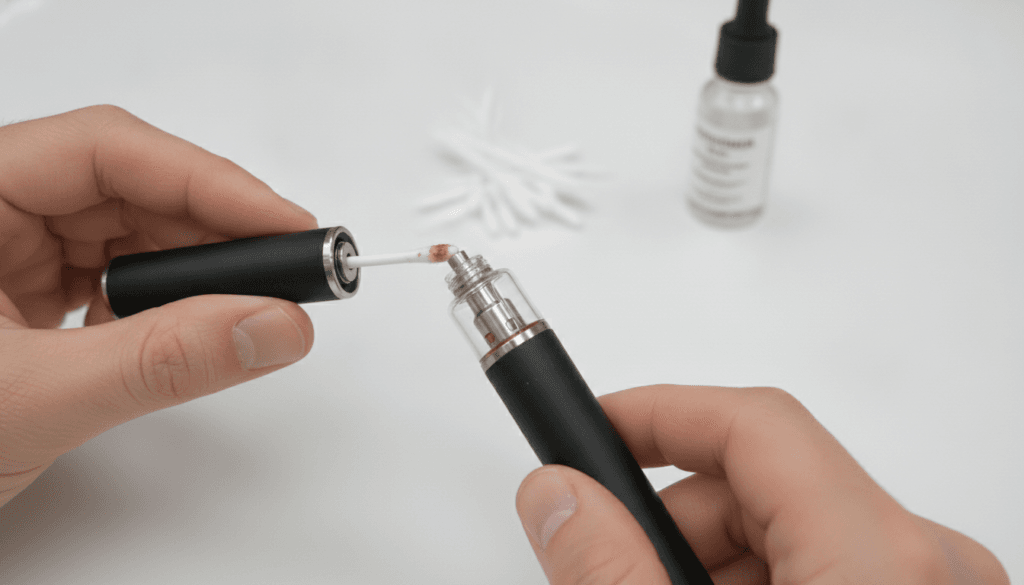
This is the most important and most frequently needed maintenance task. Remove the cartridge from the battery. Using a cotton swab (a small one, such as those designed for jewellery or electronics, works well for the small connection area), gently clean the threading and the contact point on both the battery and the cartridge, removing any visible oil residue. For more stubborn residue, lightly dampen the cotton swab with isopropyl alcohol (90% or higher concentration is preferable, as it evaporates quickly and leaves less moisture behind). Allow both components to fully dry before reattaching, as any remaining moisture or alcohol residue at the electrical connection point could affect performance. This cleaning should be done every time you notice reduced performance, or proactively every few cartridge changes as a preventive measure.
Cleaning the Mouthpiece
The mouthpiece of a cartridge can also accumulate residue over time, particularly with thicker oils. If your cartridge has a removable mouthpiece, this can be cleaned separately with a cotton swab and isopropyl alcohol, then dried thoroughly before reattaching. If the mouthpiece is not removable, gently cleaning the visible exterior with a slightly dampened cloth (avoiding getting liquid into the cartridge’s airway) can help with hygiene, though this will not address any internal residue, which is generally less of a concern for mouthpiece-level buildup compared to the connection point.
What Not to Do When Cleaning
Never submerge a battery in any liquid, including water or alcohol; batteries contain electronic components that can be permanently damaged by moisture, and in some cases this can create a safety hazard. Avoid using excessive amounts of alcohol on the connection point; a lightly dampened swab is sufficient, and excess liquid can seep into areas where it may cause issues or take longer to dry. Do not attempt to clean inside a sealed cartridge; pre-filled cartridges are generally not designed to be opened, and attempting to clean internal components can damage the wick and heating element, rendering the cartridge unusable.
Battery Care for Longevity
Beyond cleaning, how you charge and store a battery affects its lifespan. Avoid leaving the battery on charge for extended periods after it reaches full charge, as overcharging (even with built-in protection) can affect battery longevity over time. Store the battery at room temperature when not in use; extreme heat or cold can affect battery performance and lifespan, and leaving a vape battery in a hot car, for example, is generally not recommended. If your battery has variable voltage settings, using the lowest setting that still provides satisfactory vapour production for your cartridge can extend both battery life per charge and overall battery longevity, since lower power draws place less strain on the battery.
Recognising When a Cartridge Is Empty vs When It Needs Cleaning
A cartridge nearing empty will often produce a burnt taste or weaker vapour as the wick struggles to draw the remaining small amount of oil, and this is a normal end-of-life sign rather than a maintenance issue; cleaning will not resolve this, and the cartridge should simply be replaced. In contrast, if a relatively full cartridge is producing no vapour at all, or the device is not activating when it should, the connection point is the first thing to check and clean, as this is the most common cause of this specific symptom with otherwise functional cartridges.
How Often Should You Clean Your Vape Pen?
For the 510-thread connection, cleaning every time you change a cartridge is a reasonable baseline, taking only a minute or two and preventing residue buildup from accumulating over multiple cartridge changes. If you notice any performance issues between cartridge changes, weak hits, inconsistent activation, or a burnt taste despite a cartridge that should still have oil remaining, cleaning the connection point is the first troubleshooting step before assuming the cartridge or battery has failed. For the mouthpiece, cleaning periodically (for example, weekly with regular use) for hygiene purposes is reasonable, separate from the performance-driven connection point cleaning.
Frequently Asked Questions
Why is my vape pen not hitting even though the cartridge isn’t empty?
The most common cause of this issue, when the cartridge clearly still contains oil, is residue buildup at the 510-thread connection point interfering with the electrical contact between the battery and cartridge. Removing the cartridge, cleaning both the battery’s connection point and the cartridge’s threading with a cotton swab (dry or lightly dampened with isopropyl alcohol), allowing everything to dry fully, and reattaching often resolves this. If cleaning does not resolve the issue, the battery itself may need charging, or in rarer cases, either the battery or cartridge may have a fault.
Can I clean a vape cartridge with water?
No. Water should not be used to clean any part of a vape cartridge or battery, as moisture can damage the internal wick, heating element, and electronic components, and can create a connection or safety issue if any water remains at the electrical contact points. Isopropyl alcohol (90% or higher) on a cotton swab, used sparingly and allowing full drying time, is the appropriate cleaning approach for the external connection points and threading.
How often should I replace a vape pen battery?
This depends on usage frequency and the battery’s quality and capacity, but rechargeable 510-thread batteries are generally rated for a certain number of charge cycles (often several hundred) before performance noticeably degrades. Signs that a battery may need replacing include holding a charge for a much shorter time than it used to, taking much longer to charge fully, or failing to provide consistent power even when fully charged and after the connection point has been cleaned and ruled out as the cause.
Is it normal for a vape pen to get warm during use?
Some warmth during use is normal, as the device is actively heating oil to vaporise it. However, if the device becomes uncomfortably hot, especially the battery itself rather than just the cartridge area, or if it remains hot for an extended period after use, this could indicate an issue with the battery or a short circuit at the connection point, and the device should be inspected (and the connection cleaned) before continued use. Persistent excessive heat is a safety consideration, not just a comfort one.
Should I clean a disposable vape pen?
Disposable vape pens are sealed, single-use devices with no replaceable cartridge or accessible connection point, so the cleaning approaches described for 510-thread systems do not apply. Light external cleaning of the mouthpiece with a slightly dampened cloth for hygiene purposes is reasonable, but disposables are designed to be used until depleted and then discarded, not maintained for extended performance.
Why does my vape taste burnt right after cleaning?
If a burnt taste persists immediately after cleaning the connection point, the issue may not be the connection at all but rather the cartridge itself, particularly if it is nearing empty (where the wick can no longer keep pace with the heating element) or if the device’s voltage setting is too high for the oil’s viscosity, causing the wick to dry out faster than it can be replenished from the reservoir. Trying a lower voltage setting if available, or replacing a nearly empty cartridge, are the next steps if cleaning the connection has not resolved a burnt taste.