Vape devices have become one of the most common ways people consume nicotine, CBD, and THC products, yet the basic technology behind them is widely misunderstood. Whether you are curious about a CBD vape pen, a disposable nicotine device, or a THC cartridge, the underlying mechanism is largely the same. Here is how it actually works.
The Core Components of Every Vape Device
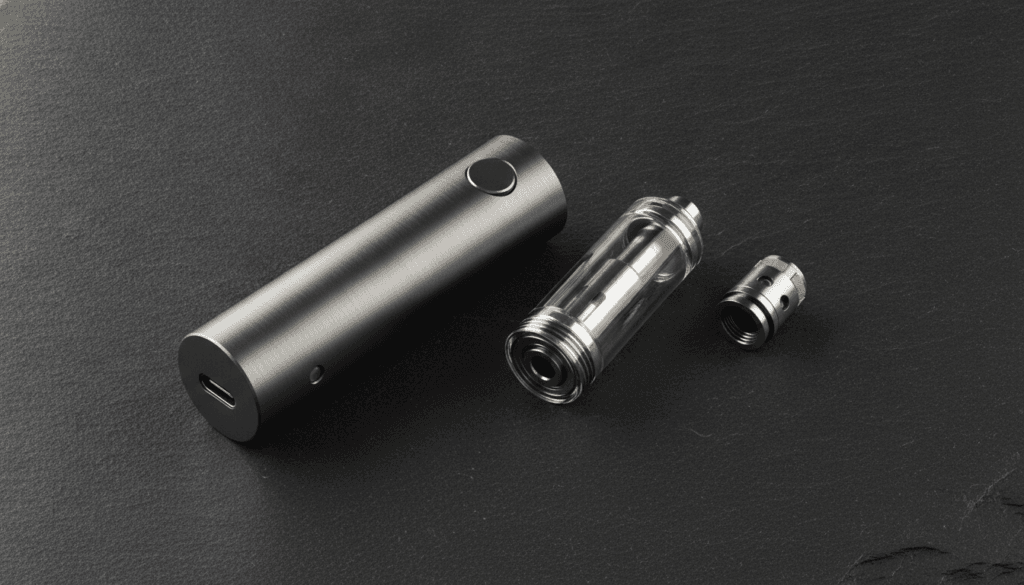
Despite the wide variety of vape products on the market, nearly all of them share the same four basic components. A battery provides the power source, ranging from small built-in batteries in disposables to larger, removable, rechargeable batteries in more advanced devices. A heating element, usually a coil made of resistance wire (commonly kanthal, nickel-chromium, or stainless steel), heats up when current passes through it. A reservoir or cartridge holds the e-liquid or oil, either as a refillable tank, a pre-filled replaceable cartridge, or a sealed pod. A wick, typically made of cotton or another absorbent material, draws liquid from the reservoir to the heating element by capillary action, similar to how a candle wick draws up wax.
What Actually Happens When You Vape
The process follows a consistent sequence regardless of device type. When you press a button or, in many newer devices, simply inhale (activating an airflow sensor), an electrical current flows from the battery to the heating coil. The coil heats rapidly, vaporising the liquid that has been drawn into the wick. This creates an aerosol, technically not smoke since there is no combustion, which is then inhaled through the mouthpiece. The active ingredient (nicotine, CBD, THC, or a combination) is absorbed through the lungs into the bloodstream, producing effects within minutes due to the lungs’ large surface area and direct access to circulation.
Vaping vs Smoking: The Key Technical Difference
The most important distinction between vaping and smoking is combustion. Smoking involves burning plant material at high temperatures (typically 600 degrees Celsius or higher), which produces smoke containing thousands of chemical compounds, including many recognised carcinogens, as a byproduct of combustion itself. Vaping heats liquid to a much lower temperature (typically 200 to 250 degrees Celsius), at which the liquid vaporises without burning. This avoids combustion byproducts but introduces its own considerations, including the heating of flavouring compounds, propylene glycol, vegetable glycerin, and other ingredients at temperatures that can produce some degradation products of their own.
Types of Vape Devices Explained
Disposable Vapes
Disposable vapes are sealed, pre-filled, pre-charged devices designed for single use until the liquid or battery is depleted, then discarded. They require no maintenance, refilling, or charging, making them the most accessible entry point for new users. Their main drawbacks are cost per use over time and environmental waste from disposal.
Pod Systems
Pod systems use a reusable battery base paired with replaceable pods, which are small, sealed cartridges containing e-liquid. Pods are typically not refillable (though some are), and the system sits between disposables and more advanced devices in terms of cost and customisation.
510-Thread Cartridges and Batteries
The 510 thread is a standardised connection size that has become the industry default for CBD and THC vape cartridges. A 510-thread battery (often called a vape pen battery) can be used with cartridges from many different brands, since the thread size is universal. This format is particularly common for CBD and THC oil cartridges, as it allows the cartridge (containing the oil) to be replaced while the battery is reused.
Box Mods and Advanced Personal Vaporisers
These are larger, more powerful devices with rechargeable batteries, adjustable wattage or temperature settings, and refillable tanks. They are primarily used by experienced vapers seeking more control over their experience and are less common in the CBD and THC product space, which tends to favour simpler cartridge-based systems.
What’s Actually in the Liquid or Oil?
For nicotine vapes, e-liquid typically contains a base of propylene glycol (PG) and vegetable glycerin (VG) in varying ratios, nicotine (or nicotine salts, which allow higher nicotine concentrations to be inhaled more smoothly), and flavourings. For CBD and THC vape products, the liquid is typically a cannabinoid extract (CBD or THC distillate or oil) often combined with a thinning agent such as MCT oil, PG, VG, or terpenes derived from cannabis or other plants. The choice of thinning agent matters significantly for safety; the 2019 EVALI outbreak was strongly associated with vitamin E acetate, a thickening agent used in some illicit THC vape products, rather than with vaping as a technology itself.
Why Device Quality Matters
Not all vape hardware is built to the same standard. Lower-quality coils can degrade faster, potentially introducing metal particles into the vapour. Counterfeit or poorly regulated cartridges, particularly in the illicit THC market, have been associated with the most serious health incidents, including the EVALI outbreak. For CBD and THC vape products specifically, choosing devices and cartridges from licensed, tested sources with published lab results for both the device materials and the oil contents is one of the most significant factors in reducing risk.
Frequently Asked Questions
What is the difference between a vape pen and a vape cartridge?
A vape pen typically refers to the battery component, often a 510-thread battery, that provides power to heat the cartridge. A vape cartridge is the separate component containing the e-liquid or oil along with the heating coil and wick. Cartridges are designed to be replaced once empty, while the pen (battery) is reused. This separation is what allows the 510-thread standard to work across many different brands of cartridges with a single battery.
Do vape devices need to be charged?
This depends on the device type. Disposable vapes come pre-charged and are discarded once depleted, requiring no charging. Pod systems and 510-thread batteries are typically rechargeable via USB and need periodic charging depending on usage frequency. Box mods and advanced devices also use rechargeable batteries, often with removable cells that can be swapped and charged separately.
What temperature do vapes actually reach?
Vape coils typically heat e-liquid or oil to between approximately 200 and 250 degrees Celsius (390 to 480 degrees Fahrenheit), well below the combustion temperatures of smoking (600 degrees Celsius or higher). This lower temperature is what allows vaporisation without burning, though some devices and settings can push temperatures higher, which research suggests may increase the production of certain degradation byproducts.
Is there nicotine in CBD or THC vapes?
Generally no, unless specifically formulated and labelled to include it. CBD and THC vape products typically contain cannabinoid extracts combined with a carrier or thinning agent, not nicotine. However, always check product labelling, as some novelty or combination products have been marketed with both cannabinoids and nicotine. If a product does not explicitly list nicotine as an ingredient, it should not contain it, but verifying via the product’s lab report or COA is good practice.
Why do some vapes produce more vapour than others?
Vapour production (often called cloud size) is influenced by several factors: the wattage or power output of the device, the type and ratio of PG to VG in the liquid (higher VG generally produces more visible vapour), the coil resistance and surface area, and airflow design. Devices marketed for cloud production typically use higher-wattage setups with high-VG liquids and wider airflow, while devices designed for discretion or flavour (common in CBD and THC cartridges) tend to prioritise smaller vapour output.
Can vape cartridges be refilled?
Some can, but many CBD and THC cartridges sold pre-filled are designed for single use and are sealed in a way that makes refilling impractical or impossible without damaging the cartridge. Refillable tank systems exist and are common in the general nicotine vaping market, allowing users to fill their own e-liquid. For pre-filled CBD or THC cartridges, attempting to refill a sealed cartridge designed for single use is generally not recommended, as it can compromise the heating element and seal.