Disposable vapes have taken over the market. They are the most purchased format by new vape users, they dominate convenience store and dispensary shelves, and they have attracted significant regulatory attention for exactly these reasons. Reusable devices, which dominated the vaping landscape before disposables became mainstream, now represent a smaller but still significant share of the market. Choosing between them is less obvious than it might seem, because the right answer genuinely depends on how and why you vape.
What Each Format Actually Is
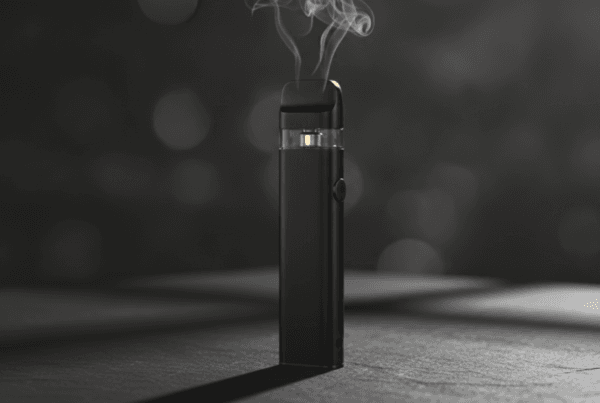
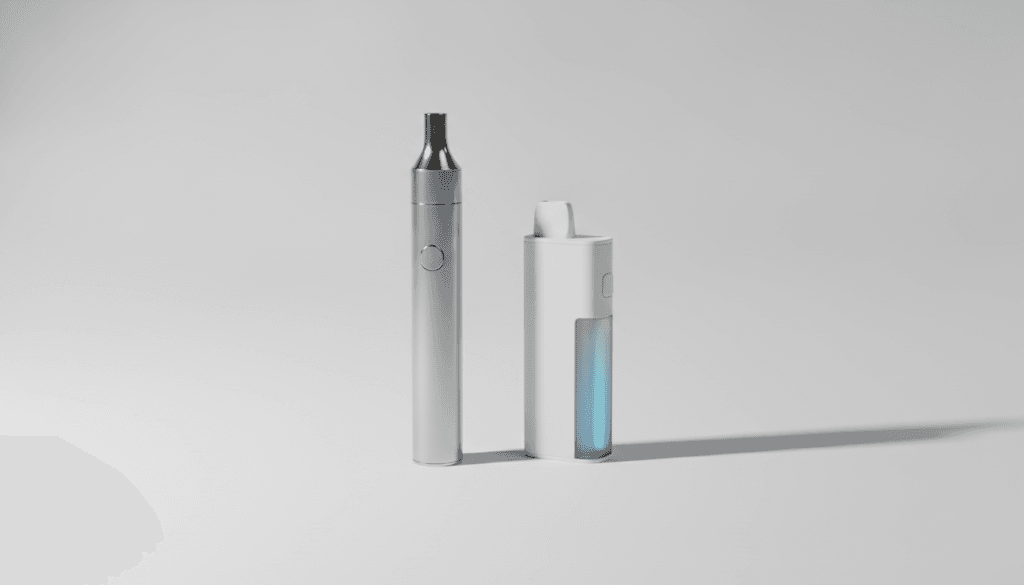
A disposable vape is a sealed, all-in-one device containing a pre-charged battery, a pre-filled oil or e-liquid cartridge, and a built-in coil and wick, all in a single unit designed to be used until depleted and then discarded. There are no parts to replace, no charging required (with single-use disposables), and no maintenance. Once empty, the entire device is thrown away. A reusable vape system consists of a rechargeable battery component (often a 510-thread battery for CBD and THC oil, or a pod system battery for nicotine) paired with replaceable cartridges or pods containing the oil or e-liquid. The battery is reused across many cartridges; only the cartridge (the smaller, product-containing component) is replaced when empty. The battery requires periodic charging and occasional cleaning, as discussed in our vape pen maintenance guide.
Cost: The Clearest Advantage of Reusables
Over time, reusable systems are significantly more economical. A quality 510-thread battery suitable for CBD or THC oil cartridges typically costs $15 to $40 and lasts through hundreds of charge cycles, meaning it can service dozens or hundreds of cartridges before needing replacement. Individual replacement cartridges for a 510-thread system are typically priced purely on their oil content. By contrast, disposable vapes bundle the cost of battery, coil, and wick into every unit, which is discarded after one use regardless of whether those components still have usable life. For regular or daily vapers, the cost premium of disposables over a reusable system running comparable oil can be substantial across months of use. For occasional users who vape infrequently enough that a reusable battery might sit discharged between uses and require top-up charging each time, the cost difference narrows in practice even if it remains real on paper.
Convenience: The Clearest Advantage of Disposables
Disposables win on convenience by almost every measure. They require zero setup, zero maintenance, and zero technical knowledge. They are ready to use immediately out of the package. They do not require tracking charge levels or having a charging cable accessible. They are more discreet in many contexts since they often look like any other consumer product rather than a vaping device. For travel, they eliminate the concern about carrying a charging cable and battery alongside a cartridge. For occasional use where simplicity is the priority, disposables are genuinely the more practical option, even accepting the higher per-use cost.
Environmental Impact: A Real Consideration
Disposable vapes have attracted significant criticism for their environmental footprint. Each unit contains a lithium battery, a heating coil, plastic components, and oil residue, all in a sealed unit that cannot be easily disassembled for recycling. The UK government took regulatory action specifically targeting disposable vape waste. A 2025 study found that disposable vape pods emit more of certain toxic compounds than earlier e-cigarette devices, which adds a health consideration alongside the environmental one, as discussed in our piece on whether vaping is safer than smoking. Reusable systems generate significantly less waste per unit of oil consumed, since only the cartridge is discarded and the battery is retained and recharged. For users for whom environmental footprint is a relevant consideration, this is a meaningful differentiator in favour of reusable systems.
Performance: Where Reusables Have the Edge
Reusable 510-thread systems, particularly those with variable voltage settings, allow users to adjust the power output to match the viscosity and ideal vaporisation temperature of different oils. A thicker live resin oil may perform better at a slightly higher voltage than a thinner distillate blend, and a fixed-voltage disposable cannot accommodate this. The ability to dial in the voltage also affects flavour, vapour production, and how efficiently the cartridge is used to its end. For users who care about optimising the experience for specific products, reusable systems with variable voltage are noticeably more versatile.
Safety and Quality Control
The safety research on disposable vapes specifically is worth noting. A 2025 study found disposable pods emitted more of certain toxic compounds than other device types. The 2019 EVALI outbreak, discussed in our vaping safety piece, was associated primarily with illicit THC vape cartridges using vitamin E acetate as a thickening agent, and it demonstrated how dramatically product quality varies when outside regulated supply chains. Whether disposable or reusable, the most important safety factor remains sourcing from licensed, lab-tested suppliers, with COAs confirming cannabinoid content and the absence of harmful additives. A quality reusable cartridge from a tested source is not inherently safer or more dangerous than a quality disposable from a tested source; the quality of the oil contents matters more than the device format in this context.
Who Should Choose Which
Disposables are the better choice for new users who want to try vaping with minimum commitment, occasional users for whom maintenance is impractical, travellers seeking simplicity, and anyone who prioritises convenience over cost or environmental impact. Reusables are the better choice for regular or daily users where cost efficiency matters, users who want more control over voltage and performance, anyone with a specific preferred oil or cartridge brand they want to use consistently, and anyone for whom the environmental footprint of disposables is a relevant factor.
Frequently Asked Questions
Are disposable vapes worse for you than reusable ones?
A 2025 study found that disposable pods emitted more of certain toxic compounds than other device types including earlier reusable e-cigarettes. This does not necessarily mean disposables are worse than reusables in all respects, since many variables affect aerosol composition including oil content, coil material, and power settings. For both formats, the quality and safety of the oil or e-liquid in the cartridge matters more than the device format itself. That said, the specific finding on disposable emissions is worth being aware of, particularly given their dominance in the market and prevalence among younger users.
How many puffs does a disposable vape give?
Disposable vapes are often marketed with puff count estimates (500 puffs, 2,000 puffs, etc.), but these figures are based on specific puff duration assumptions and vary significantly in practice based on how long each individual puff is. A more reliable practical measure is the oil volume (in ml) or the stated CBD or THC content in mg, which gives you a consistent basis for comparing value across products regardless of stated puff counts.
Can I refill a disposable vape?
Disposable vapes are designed as sealed, single-use units and are generally not refillable without damaging the device. Some users attempt to access the cartridge by disassembling the unit, but this can compromise the seal, coil integrity, and safety features, and is not recommended. If refillability matters to you, a pod system with refillable pods or a tank-based system is the appropriate choice, rather than attempting to modify a disposable.
How long does a 510-thread battery last before needing replacement?
A quality 510-thread battery is typically rated for several hundred charge cycles, which translates to months or years of use for most people depending on frequency. Signs a battery is reaching end of life include noticeably shorter battery life per charge, inconsistent activation, or difficulty maintaining connection with cartridges even after cleaning the contacts. At this point, replacing the battery (typically $15 to $40) rather than the entire setup remains far cheaper than continued disposable use.
Are there disposable vapes that are more environmentally responsible?
Some brands have introduced take-back programs or have designed disposables for easier battery extraction and recycling. These represent an improvement over standard disposables but still generate more waste than a reusable system per unit of oil consumed. Vape retailers and some postal services in certain markets have set up collection points for used disposables, though uptake and processing infrastructure for these programs varies significantly by region.
What should I look for in a reusable 510-thread battery?
As covered in our vape pen buyer’s guide, look for variable voltage (at least three settings, preferably covering the 2.0 to 4.0 volt range), short-circuit protection and overcharge protection, auto shut-off after 10 to 15 seconds of continuous draw, and a USB charging port for convenient recharging. Avoid unbranded, extremely low-cost options where quality control and safety features are most likely to be inadequate. A mid-range, well-reviewed battery from an established brand covers all of these bases without premium pricing for unnecessary features.