
Hemp in the Workplace: Professional Use, Testing, and Legal Considerations
You use hemp for stress and sleep. Your job drug tests. Will hemp show on a test? Can you be fired for using legal hemp? What are your rights?
Here’s what professionals need to know about hemp use and workplace implications.
Hemp vs THC: The Workplace Distinction
Legal hemp: Under 0.3% THC federally. Contains CBD and other cannabinoids but minimal THC.
Why employers care: Standard drug tests detect THC. They don’t distinguish between legal hemp and illegal cannabis. THC is THC to a test.
The problem: Even though you’re using legal hemp, you could fail a THC test and potentially face consequences, depending on your employer and location.
Will Hemp Show on a Drug Test?
Standard Workplace Drug Test (Urine)
Detection threshold: 50 ng/mL THC (federal workplace standard).
Legal hemp products: Most products have <0.3% THC by weight. In a 1000mg full-spectrum product: 3mg THC maximum. In a typical 30mg dose: 0.09mg THC.
Will it show? Unlikely from a single dose. But accumulated daily use might reach detectable levels in heavy users.
Variables affecting detection: THC absorption rate, individual metabolism, product potency (higher THC content = more likely to show), frequency of use (daily use more likely to accumulate), body fat (THC stores in fat).
Full-Spectrum vs Isolate
Full-spectrum products: Contain trace THC (0.3% maximum). Over time or heavy use, could show on test.
Isolate (CBD only): Zero THC. Will never show on test. Safest choice for drug-tested employees.
Broad-spectrum: Full-spectrum with THC removed. Should be THC-free, but verify with COA (third-party testing confirms THC content).
Drug Testing Types
Immunoassay Test (Urine—Most Common Workplace Test)
Detection threshold: 50 ng/mL THC (federal standard) to 5 ng/mL (stricter employers).
Specificity: Detects THC but doesn’t distinguish source (legal hemp vs illegal cannabis).
Hemp risk: Moderate risk with full-spectrum products, especially with daily use.
Gas Chromatography-Mass Spectrometry (GC-MS—Confirmation Test)
When used: Confirms positive immunoassay results.
Specificity: Identifies exact THC type and concentration.
Key advantage: Can theoretically differentiate. Some newer tests can detect delta-9 THC vs other sources.
Appeal process: If you test positive, GC-MS confirmation can sometimes help your defense if you can prove legal hemp use.
Hair Test
Timeframe: Detects use over past 90 days.
Hemp risk: Lower than urine but possible with heavy use.
Advantage for hemp users: Can’t pass without stopping all use for 90 days.
Saliva Test
Timeframe: Detects use in past 24-48 hours.
Hemp risk: Possible but lower than urine.
Advantage: Shorter detection window. One-time hemp use unlikely to show.
Employer Policies on Legal Hemp
Legal Landscape
Federal: Hemp is legal. But employers can still test and have zero-tolerance policies.
State laws: Some states protect hemp users from employment discrimination. Others don’t.
Company policies: Vary widely. Some allow hemp, some have zero-tolerance, most are unclear.
Your Rights (Varies by State)
States with hemp employee protections: Vermont, New York, Connecticut, others. Employers in these states cannot fire you for legal hemp use outside work.
States with no specific hemp employee protection: You can legally be fired for testing positive, even if hemp was legal and used outside work.
Federal employees: Hemp use is technically legal, but federal employees can still be fired for testing positive (federal drug policy remains strict).
Strategies for Hemp-Using Employees
Strategy 1: Use CBD Isolate Only
Benefits: Zero THC. Will never show on any test. Completely safe for drug-tested jobs.
Drawback: Isolate is less effective for many people than full-spectrum (loses entourage effect). Might need higher doses.
When to use: If your job drug tests and you can’t risk a positive result, isolate is your safest option.
Strategy 2: Know Your Test Schedule
Pre-employment testing: One-time test before hire. Stop hemp use 5-7 days before (safer margin).
Random testing: Unpredictable. If you know random tests happen, use isolate or minimize full-spectrum use.
Annual testing: Predictable. Plan accordingly (time your hemp use, consider switching to isolate before test month).
Strategy 3: Document Legal Hemp Use
Keep records: Product labels, COAs showing <0.3% THC, purchase receipts (legality proof).
Medical documentation: If prescribed CBD by doctor, keep medical record proving legitimate use.
Why it matters: If you test positive, documentation helps defend yourself. Some employers will accept it. Some won’t, but it’s better than nothing.
Strategy 4: Talk to Your Employer (Carefully)
In hemp-friendly companies: Some employers don’t care about hemp or even explicitly allow it. Ask HR discreetly about policy.
In conservative companies: Don’t volunteer information. If asked directly, explain legal hemp and full-spectrum nature.
Documentation helps: Provide COA showing trace THC if questioned. Proves legality and minimal THC content.
Strategy 5: Challenge a Positive Result
If you test positive: Don’t panic. Request GC-MS confirmation (if not already done). Request results in writing. Consult with lawyer if you might face termination.
Legal defense: In some states, you can prove legal hemp use as defense against termination.
Practical approach: If you have written documentation of legal hemp use and your state has hemp employee protections, you have a case.
Professional Dosing Practices
If using full-spectrum: Minimize dosing. Use lowest effective dose (5-10mg CBD) to reduce THC accumulation.
Timing: Use hemp in evening (metabolizes overnight, less chance of accumulation). Avoid use 48 hours before test.
Hydration: Stay hydrated. Helps THC metabolize (though marginal effect).
Exercise: THC is fat-soluble, stored in body fat. Regular exercise can help mobilize and eliminate accumulated THC, though effect is small.
Jobs With Highest Testing Risk
Transportation industry, healthcare, federal employment, military, law enforcement, safety-sensitive positions, jobs requiring security clearance, companies with strict drug policies.
What to do: In these roles, use isolate only or avoid hemp entirely.
Disclosure to Employer
Pre-emptive disclosure: In hemp-friendly companies, disclosing legal hemp use proactively builds trust. Document everything.
Post-test disclosure: If you test positive and your state has hemp protections, disclose legal use and provide documentation.
When not to disclose: In states with no hemp protections and strict employers, unsolicited disclosure gives them ammunition.
Documentation Checklist
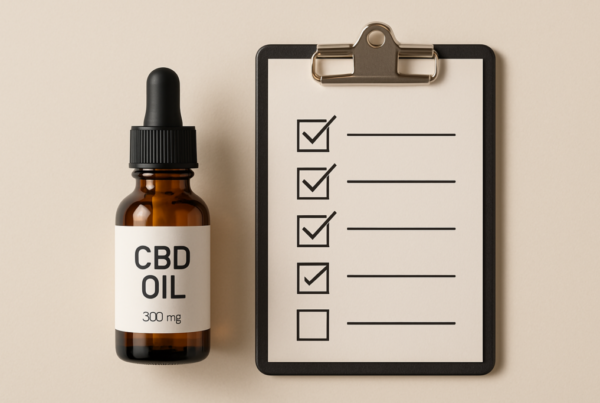
Product label with <0.3% THC compliance, third-party COA showing THC content, purchase receipt from legal vendor, medical documentation (if applicable), state law allowing hemp use (screenshot), email with employer about hemp policy (if discussed).
Future Outlook
As hemp becomes more mainstream, more states are adding employee protections. More employers are becoming hemp-friendly. More sophisticated testing can distinguish hemp from cannabis. In 5-10 years, this may be less of an issue.
The Bottom Line
Legal hemp is legal, but workplace drug tests don’t care about legality—they detect THC. If your job drug tests, use CBD isolate only (safest choice), or minimize full-spectrum use. Document everything. Know your employer’s policy and your state’s legal protections. If you test positive, you have options depending on your location and documentation. The safest approach for drug-tested employees is isolate, not full-spectrum hemp.