Hemp seed oil has quietly become one of the most talked-about ingredients in facial skincare. Not because of clever marketing, but because its nutritional profile genuinely suits what most skin types need: lightweight moisture, fatty acid balance, and zero pore-clogging. Here is a complete guide to using it effectively on your face.
Why Hemp Seed Oil Works on the Face
The reason hemp seed oil performs well as a facial oil comes down to three properties working together. It has a comedogenic rating of zero, meaning it will not block pores regardless of how often you use it. It contains linoleic acid as its dominant fatty acid at 54 to 60%, and research has shown that people with acne-prone skin tend to have lower levels of linoleic acid in their sebum. Replenishing linoleic acid topically helps regulate sebum composition. And its 3:1 Omega-6 to Omega-3 ratio closely mirrors the fatty acid needs of a healthy skin barrier.
Benefits of Hemp Seed Oil for the Face
For normal to dry skin, hemp seed oil provides rich moisture without heaviness, supports the skin’s lipid barrier, and reduces transepidermal water loss. For oily and combination skin, it delivers lightweight hydration that does not add to surface oiliness, and the linoleic acid content may help regulate sebum production over time. For sensitive and reactive skin, hemp seed oil is anti-inflammatory, fragrance-free in its pure form, and unlikely to trigger reactions. For acne-prone skin, the zero comedogenic rating makes it one of the safest facial oils available, and its linoleic acid content directly addresses one of the biochemical factors in acne development.
How to Use Hemp Seed Oil on the Face
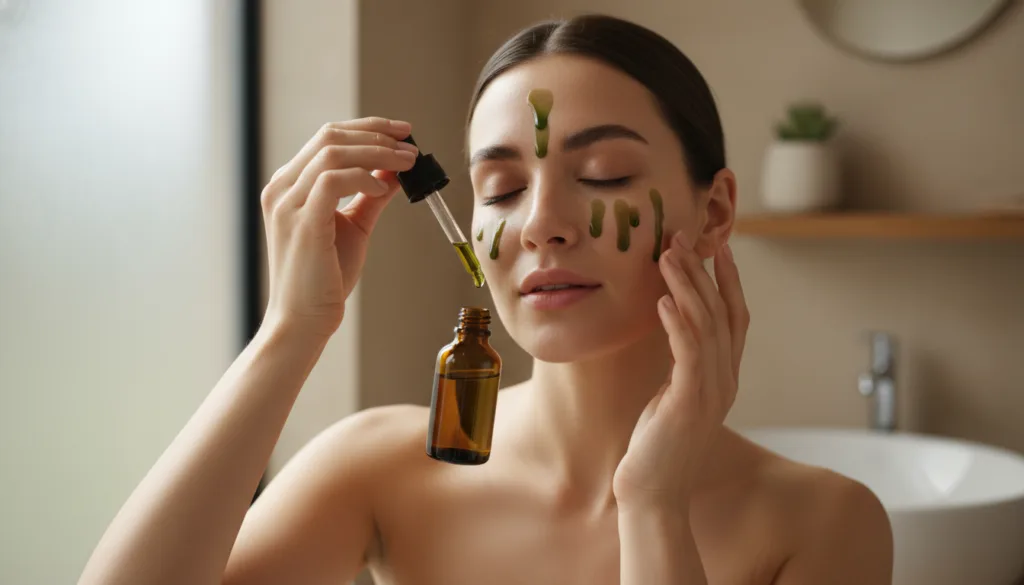
Hemp seed oil can be used in several ways as part of a facial routine. As a standalone moisturiser, apply 3 to 5 drops to clean, slightly damp skin morning or evening and press gently into the skin. As a serum layer, apply a few drops after your water-based serum and before a heavier moisturiser or SPF. As an oil cleanser, massage a small amount into dry skin to dissolve makeup and impurities before rinsing or wiping clean. As a facial massage oil, use a larger amount for a 2 to 3 minute facial massage to promote circulation and absorption.
How Much to Use and When
Three to five drops is typically sufficient for the entire face. More is not better with facial oils. In the morning, follow with SPF. In the evening, hemp seed oil works well as the final step in your routine or as a sleeping oil treatment. For very dry skin, mixing one to two drops into your regular moisturiser can boost its nourishing effect.
What to Expect and When
Hemp seed oil absorbs relatively quickly for a plant oil, typically within 5 to 10 minutes. In the first two weeks, most users notice improved skin softness and hydration. Between weeks two and four, improved skin texture and reduced dryness are common. For acne-prone users seeing benefit from linoleic acid rebalancing, meaningful changes in breakout frequency typically take 4 to 8 weeks of consistent use. Hemp seed oil does not produce dramatic overnight results. It is a nutritional approach to skin health that rewards consistency.
Frequently Asked Questions
Can I use hemp seed oil on my face every day?
Yes. Hemp seed oil is gentle enough for daily use on the face. Its zero comedogenic rating means it will not clog pores with regular use, and its fatty acid profile is well-tolerated by most skin types including sensitive and acne-prone skin. You can use it morning and evening if your skin responds well to it.
Will hemp seed oil make my face look greasy?
Hemp seed oil is a dry-feeling oil compared to heavier options like argan or rosehip oil. It absorbs relatively quickly and does not leave a thick residue. However, if you use too much (more than 4 to 5 drops) or apply it to very oily skin, it can sit on the surface. Start with 2 to 3 drops and adjust from there based on how your skin responds.
Is hemp seed oil good for aging skin?
Hemp seed oil supports skin aging through several mechanisms: it helps maintain the skin’s lipid barrier which naturally thins with age, its Vitamin E content provides antioxidant protection against oxidative stress, and its fatty acids support cell membrane integrity. It is not a substitute for dedicated anti-aging actives like retinol or vitamin C, but it is a valuable supportive ingredient for mature skin.
Can hemp seed oil cause breakouts?
Pure, unrefined hemp seed oil has a comedogenic rating of zero and is unlikely to cause breakouts in most people. However, some formulated products that contain hemp seed oil also include other ingredients (such as fragrances, silicones, or heavier occlusive oils) that could trigger reactions in sensitive or acne-prone skin. Always check the full ingredient list of formulated products rather than assuming hemp seed oil alone is responsible for any reaction.
What is the difference between hemp seed oil and CBD oil for the face?
Hemp seed oil is pressed from hemp seeds and contains no cannabinoids. It provides nutritional fatty acids and is used for general moisturisation, barrier support, and sebum regulation. CBD oil contains cannabidiol extracted from the hemp plant’s flowers and leaves. CBD has its own set of studied skin benefits including potential anti-inflammatory and sebum-regulating effects via the skin’s endocannabinoid receptors. Many premium facial products combine both: hemp seed oil as the carrier and CBD as the active ingredient.