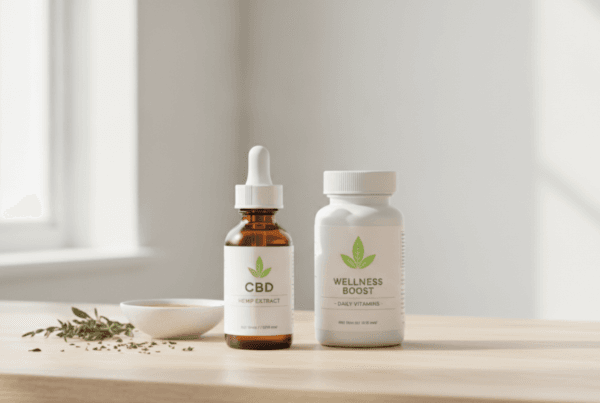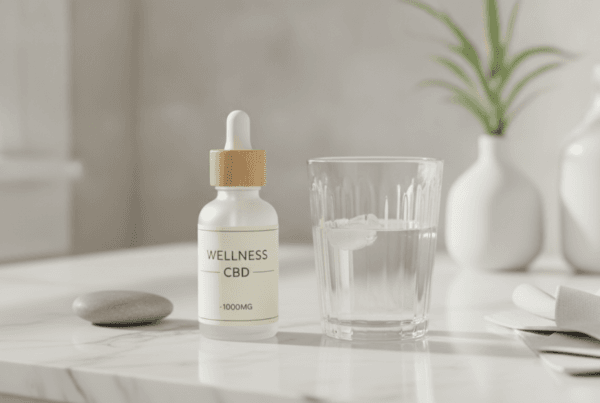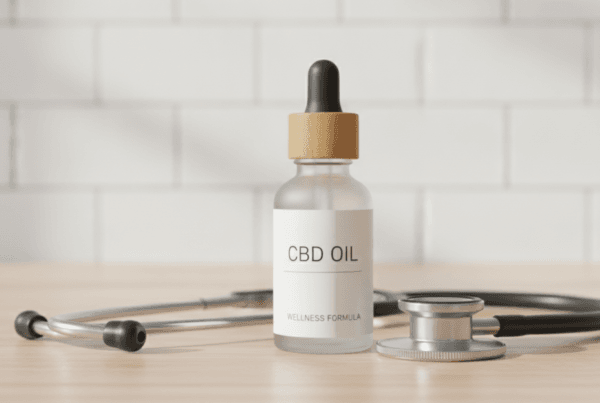
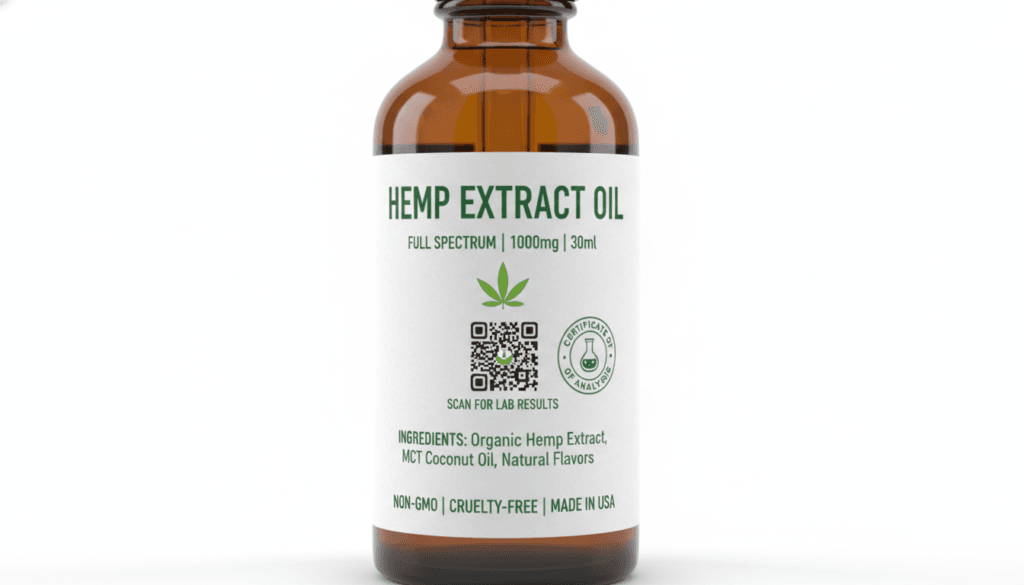
Hemp product labels are, to put it diplomatically, an inconsistent field. The lack of uniform regulatory standards across markets, combined with the financial incentive to use ambiguous language, means that hemp product labeling contains more misleading information per square inch than almost any other wellness category. This guide gives you the tools to read any hemp product label accurately.
The Ingredient Name That Changes Everything
The single most important thing on any hemp product label is the INCI (International Nomenclature of Cosmetic Ingredients) name of the primary hemp ingredient. Cannabis sativa seed oil means the product contains hemp seed oil pressed from hemp seeds. It contains no CBD and no other cannabinoids. If this is the entire hemp ingredient, the product is a hemp seed oil product regardless of any other language on the packaging. Hemp extract, hemp oil extract, full spectrum hemp extract, phytocannabinoid-rich hemp oil, or cannabidiol means the product contains a CBD-containing extract from the hemp plant’s leaves and flowers. For CBD products, look for the specific milligram content of CBD listed on the label. A CBD product without a stated milligram amount is not a CBD product you can trust.
The Certificate of Analysis: The Real Label
Regardless of what the front of the pack says, the Certificate of Analysis (COA) from an independent laboratory is the authoritative document for any hemp product. On a COA, look for cannabinoid panel results showing CBD content in mg/ml (for CBD products), THC content confirmed below the legal threshold (0.3% in the US, 0.2% in the UK and EU), and testing date that is recent (within the last 12 months for the current product batch). Also check pesticide residue results confirming none detected or below safety limits, heavy metal results including lead, arsenic, mercury, and cadmium, and the name of the testing laboratory which should be an accredited third-party facility, not the brand’s own lab.
Phrases That Mean Very Little
Several phrases appear frequently on hemp product labels and sound meaningful but have no standardised or regulated definition. Broad spectrum has no universal standard definition and means different things to different brands. Full spectrum does have a general meaning (containing multiple cannabinoids including trace THC) but is not a regulated claim in most markets. Hemp-derived tells you the source but nothing about the composition or quality. Rich in Omega fatty acids is accurate for all cold-pressed hemp seed oils and says nothing specific about quality. Natural and pure are marketing terms with no legal meaning in most hemp product contexts.
What Good Label Transparency Looks Like
A trustworthy hemp product label clearly states the hemp ingredient by its INCI name, lists total CBD content in milligrams (for CBD products), includes a batch number traceable to a specific COA, provides a QR code or URL to access the current COA, states the extraction method used, lists all other ingredients in full, and includes storage instructions. The more of these elements a product includes, the more seriously the brand takes transparency.
Frequently Asked Questions
How do I know if a product actually contains CBD?
A legitimate CBD product must list a specific milligram content of CBD on the label (for example, 500 mg CBD or 16.7 mg CBD per ml) and provide a Certificate of Analysis from an independent laboratory confirming that CBD content. If a product does not state a specific CBD milligram amount and cannot provide a COA confirming it, assume it contains no meaningful CBD regardless of the marketing language used.
What does full spectrum mean on a hemp label?
Full spectrum refers to a CBD extract that contains CBD alongside other naturally occurring cannabinoids (CBG, CBN, CBC), terpenes, and trace amounts of THC (below 0.3% in the US). The term is used to distinguish from broad spectrum (multiple cannabinoids with THC removed) and isolate (pure CBD only). Full spectrum products may have enhanced effects due to what is called the entourage effect among cannabinoids and terpenes. Always verify a full spectrum claim against the COA’s cannabinoid panel results.
Is hemp seed oil the same as cannabis oil?
No. Hemp seed oil is pressed from hemp seeds and contains no cannabinoids. Cannabis oil is a general term that usually refers to a cannabinoid-containing extract from the cannabis plant. Cannabis oil can contain CBD, THC, or both depending on the source plant and extraction method. The terms are sometimes used interchangeably in casual use, which creates genuine confusion. When in doubt, look at the ingredient list for the INCI name and the COA for cannabinoid content.
What should I look for on a CBD oil label?
The key elements on a trustworthy CBD oil label are: total CBD content in milligrams per bottle and per milliliter, the spectrum type (full spectrum, broad spectrum, or isolate), extraction method (CO2 is the gold standard), carrier oil (hemp seed oil, MCT, or other), all other ingredients in full, batch number, and access to the current COA. THC content should be confirmed below the legal threshold in your country via the COA.
Can I trust the claims on a hemp product label?
With caveats. Ingredient names in INCI format are standardised and reliable. Specific milligram claims on CBD products can be verified against the COA. However, marketing claims such as natural, pure, premium, and broad spectrum have no standardised regulatory definitions in most markets and should be treated as branding rather than verified facts. The COA is the only document that verifiably tells you what is in the product. Always read the ingredient list and always access the COA before trusting any marketing claim on a hemp product.