Weight loss is one of the most searched wellness topics in the world, and hemp seeds have found their way into the conversation. The claims range from modest to extravagant. This guide focuses on what hemp seeds can actually do in the context of a weight management approach, based on their nutritional composition rather than marketing claims.
Hemp Seed Nutritional Profile Relevant to Weight
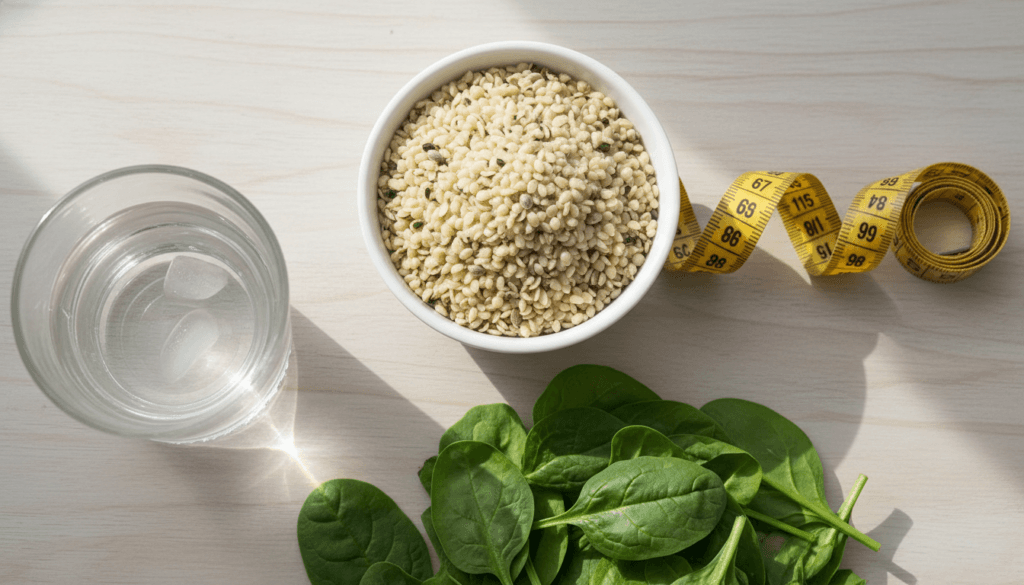
Three seeds (30 grams, about 3 tablespoons) of hemp seeds provide approximately 180 calories, 10 grams of complete protein (all nine essential amino acids), 14 grams of healthy fats (Omega-3 and Omega-6 in a 3:1 ratio), 2 grams of fiber (higher in hulled hemp hearts, lower in shelled seeds), and minerals including magnesium, iron, and zinc. This combination of protein, healthy fats, and fiber is exactly the nutritional profile associated with satiety and reduced appetite.
Protein and Satiety
Protein is the most satiating macronutrient. It reduces the hunger hormone ghrelin more effectively than carbohydrates or fats and increases the release of satiety hormones including GLP-1 and PYY. Hemp seeds deliver 10 grams of complete protein per 30-gram serving, making them one of the more protein-dense plant foods by weight. Adding hemp seeds to breakfast or snacks increases protein intake, which research consistently associates with reduced overall calorie intake throughout the day and better maintenance of lean muscle mass during caloric restriction.
Healthy Fats and Appetite Regulation
The Omega-3 fatty acids in hemp seeds, particularly alpha-linolenic acid (ALA), have been associated with improved insulin sensitivity and reduced fat storage signalling in research studies. The GLA content in hemp seeds may also play a role in metabolic rate support. A study published in Obesity Reviews noted that GLA supplementation reduced weight regain in formerly obese individuals, suggesting a role in metabolic regulation. These are modest but genuine nutritional mechanisms.
Fiber and Digestive Health
Dietary fiber slows digestion, prolongs the feeling of fullness, and feeds beneficial gut bacteria. Hemp seeds (particularly unshelled whole seeds) contain both soluble and insoluble fiber. Soluble fiber forms a gel in the digestive tract that slows nutrient absorption and prolongs satiety. Insoluble fiber supports regular bowel movements and gut health. A healthy, diverse gut microbiome is increasingly linked to better weight regulation and metabolic health.
What Hemp Seeds Cannot Do for Weight Loss
Hemp seeds are a calorie-dense food at approximately 180 calories per 30-gram serving. Eaten in excess without adjusting overall caloric intake, they will contribute to weight gain rather than loss. They do not accelerate fat burning, suppress appetite dramatically, or bypass the fundamental requirement for a caloric deficit in weight loss. They are a nutritionally rich addition to a well-structured diet, not a standalone weight loss solution.
Practical Ways to Use Hemp Seeds for Weight Management
Add 2 tablespoons to morning oatmeal or yogurt for protein and fat to reduce mid-morning hunger. Blend into smoothies with greens and fruit to increase protein without significant flavour impact. Sprinkle over salads as a protein and fat addition that slows carbohydrate absorption. Use as a topping on soups for a protein boost. Replace croutons with hemp seeds in salads to increase protein while reducing refined carbohydrate intake.
Frequently Asked Questions
Do hemp seeds help with weight loss?
Hemp seeds support weight management through several nutritional mechanisms: their complete protein content supports satiety and lean muscle maintenance, their healthy fats improve insulin sensitivity and metabolic signalling, and their fiber content prolongs fullness. They are not a direct fat-burning supplement. Incorporated as part of a calorie-controlled, nutrient-dense diet, they are a useful tool for making a weight management plan more nutritionally complete and sustainable.
How many hemp seeds should I eat per day for weight loss?
Two to three tablespoons (20 to 30 grams) per day is a practical daily amount that provides meaningful protein and fat without excessive calories. This provides approximately 120 to 180 calories, 7 to 10 grams of protein, and 10 to 14 grams of fat. This amount is easy to incorporate into meals without significantly altering recipes or preparation routines.
Are hemp seeds high in calories?
Yes, hemp seeds are calorie-dense at approximately 180 calories per 30-gram serving. Most of these calories come from healthy fats (approximately 60%) and protein (approximately 22%). The caloric density is an argument for portion awareness rather than avoidance. The nutrient value per calorie (protein, Omega fatty acids, minerals) is high, making hemp seeds a nutritionally efficient choice even in a calorie-controlled diet.
Can I eat hemp seeds on a low-carb diet?
Yes. Hemp seeds are naturally very low in carbohydrates and high in fat and protein, making them compatible with low-carb, ketogenic, and paleo eating patterns. A 30-gram serving contains approximately 2 to 3 grams of net carbohydrates. Their protein and fat density makes them particularly useful in low-carb contexts for maintaining satiety and nutritional completeness.
Are hemp seeds better than chia seeds for weight loss?
Both are excellent additions to a weight management diet but with different strengths. Chia seeds are higher in fiber (10 grams per 30-gram serving vs 2 grams for hemp hearts) and expand in liquid, which can enhance satiety. Hemp seeds are higher in protein (10 grams vs 5 grams per 30-gram serving) and provide a complete amino acid profile. For protein content and muscle maintenance, hemp seeds have the edge. For fiber and digestive fullness, chia seeds lead. Including both in a varied diet is an option many people find practical.